What are Miniature Diecast Guns
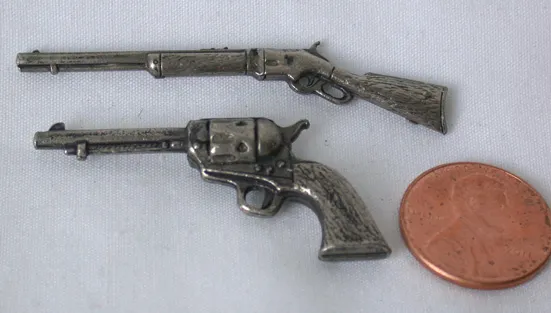
Miniature diecast guns are scaled-down replicas of real firearms, crafted primarily for collectors and enthusiasts. These miniature marvels are typically made using the die-casting process, where molten metal is injected into molds to create highly detailed and accurate models. The allure of these miniature firearms lies in their intricate design, the precision of their construction, and the historical significance they often represent. They offer a unique opportunity to appreciate the craftsmanship and engineering of firearms in a safe and accessible way. Whether you’re a seasoned collector or a curious beginner, the world of miniature diecast guns provides a fascinating glimpse into the history and artistry of firearms.
History of Miniature Diecast Guns
The history of miniature diecast guns is closely tied to the evolution of die-casting technology. The die-casting process, which allows for mass production of intricate metal parts, became widely adopted in the early 20th century. Initially, these miniature models served as toys and promotional items, but as the quality of manufacturing improved, they began to attract serious collectors. The post-World War II era saw a surge in the popularity of these collectibles, with manufacturers focusing on replicating iconic firearms from various historical periods. Today, the market includes models from historical wars, famous movie props, and iconic firearms throughout history, offering collectors a broad range of options. The continued popularity of these models speaks to the lasting appeal of firearms history and engineering.
Materials Used in Miniature Diecast Guns

The primary material used in the production of miniature diecast guns is typically a zinc alloy, often referred to as Zamak. This alloy is chosen for its excellent casting properties, allowing for intricate details and sharp edges. The zinc alloy is mixed with other metals, such as aluminum, magnesium, and copper, to enhance its strength and durability. Other materials used in these models include plastic for grips and other non-metal components, and sometimes wood, for the handles or stocks of rifles. The choice of materials is critical, as it affects the model’s weight, feel, and overall aesthetic appeal. The finishing touches often involve paint or coatings, enhancing the realism and visual appeal of the miniature firearms. High-quality models will use better materials and finishes to mimic the real firearms they are modeled after.
Types of Miniature Diecast Guns
The variety of miniature diecast guns available is vast, reflecting the wide range of firearms in existence. Collectors can find models of nearly every type of firearm, each meticulously crafted to scale. From historically significant weapons to modern tactical arms, the diversity is impressive. These miniatures not only serve as collectibles but also as educational tools, providing insight into the design and function of various firearms throughout history.
Pistols
Pistols are a popular category, with replicas of classic handguns like the Colt 1911, the Beretta 92, and various models from Glock being highly sought after. These models highlight the precision of die-casting, with intricate details like the slide, hammer, and magazine release meticulously replicated. The appeal of these miniature pistols lies in their compact size and iconic status. Collectors often focus on specific models or manufacturers, building collections that represent the evolution of pistol design across different eras. The level of detail can range from basic to museum-quality, depending on the manufacturer and price point, catering to a broad spectrum of collectors. These pistols provide a detailed look at the evolution of handguns, from their historical roots to modern designs.
Revolvers

Revolvers, with their rotating cylinders and classic designs, are another mainstay in the world of miniature diecast guns. Iconic revolvers such as the Colt Single Action Army, the Smith & Wesson Model 29, and various other models are available as miniatures. The challenge in replicating revolvers lies in accurately portraying the cylinder mechanism, the hammer, and the trigger. The level of detail in these models can be remarkable, with some even having functional parts, like a rotating cylinder or a working trigger. Collectors often appreciate the historical significance of revolvers, as they represent a pivotal era in firearm design. Owning miniature revolvers is a way to appreciate the craftsmanship and design of the firearms from different periods.
Rifles and Machine Guns
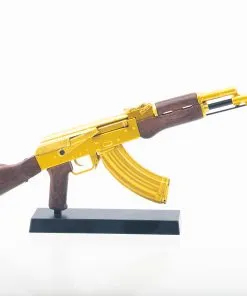
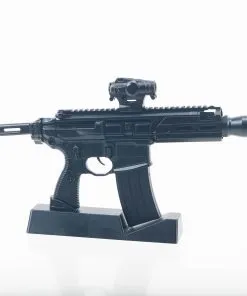
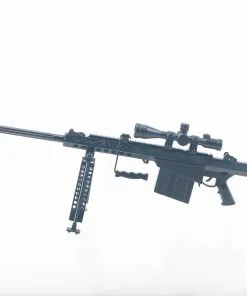
Rifles and machine guns present a different set of challenges in miniature form, with their larger size and more complex designs. Replicas of rifles like the M1 Garand, the AK-47, and various sniper rifles are popular among collectors. The details on these models are truly impressive, including the intricate mechanisms of the bolt, the magazine, and the sights. Machine guns, such as the M1919 Browning, add another level of complexity, showcasing the engineering that went into these powerful weapons. Collectors of rifles and machine guns are often drawn to the historical significance and the intricate designs of these firearms. Displaying these models allows enthusiasts to appreciate the engineering that shaped modern warfare.
Factors to Consider When Buying Miniature Diecast Guns
Buying miniature diecast guns requires careful consideration to ensure you acquire models that meet your collecting goals. Several factors play a crucial role in your decision-making process. These factors range from the model’s scale and materials to its authenticity and the overall build quality. Taking these elements into account will help you to build a collection that is both enjoyable and valuable over time, providing satisfaction for years to come.
Scale and Size
Scale is a crucial aspect of miniature diecast guns. Common scales include 1:6, 1:12, and 1:18, each offering a different level of detail and size. The scale determines the accuracy and the degree of detail the model can display. Larger scales like 1:6 allow for more intricate designs and features, but they also require more space for display. Smaller scales are often more affordable and can allow for a more extensive collection. Consider where you will store and display these models when choosing the size. Selecting the appropriate scale is a matter of personal preference, as well as the intended use of the collection.
Material and Build Quality
The quality of materials and the build of a miniature diecast gun directly impact its value and durability. Look for models made from high-quality zinc alloys, as they offer durability and allow for intricate detailing. Examine the model for sharp edges, smooth finishes, and accurate proportions. Poorly made models may have visible seams, rough surfaces, and inaccurate details. The paintwork should be even and free from defects. Check for the functionality of moving parts, such as the slide of a pistol or the cylinder of a revolver. The higher the build quality, the more enjoyable and valuable the miniature gun will be. These are crucial factors to consider when assessing the collectible value.
Authenticity and Detail
Authenticity is another critical factor in the world of miniature diecast guns. The model should accurately replicate the details of the real firearm. Look for models with correct markings, serial numbers, and historical accuracy. Research the firearm you are interested in to ensure the miniature accurately reflects its design. High-quality models will include features like realistic wood grain on the grips, detailed sights, and accurate proportions. The more details included, the more valuable the model will be to collectors. The level of detail is often a good indicator of overall quality and authenticity. Prioritize models that are historically accurate and well-detailed.
Where to Find Miniature Diecast Guns
Finding miniature diecast guns requires knowing where to look. Various sources cater to the needs of collectors, each with its own advantages and disadvantages. The best place to buy miniature diecast guns will depend on your budget, the models you are looking for, and your level of collecting experience. These sources vary in terms of selection, pricing, and the opportunities to interact with other collectors.
Online Marketplaces
Online marketplaces like eBay and specialized platforms are excellent sources for miniature diecast guns. These sites offer a vast selection of models from various sellers, often at competitive prices. You can find rare and hard-to-find models. Always check the seller’s feedback and reviews to ensure you are dealing with a reputable source. Be sure to carefully review the product descriptions and photos to assess the condition of the model. Comparing prices from multiple sellers is crucial. These marketplaces provide a convenient way to expand your collection from the comfort of your home. It also gives collectors a wider reach in finding rare items.
Specialty Shops
Specialty shops dedicated to collectibles and firearms often carry a selection of miniature diecast guns. These shops usually have knowledgeable staff who can provide expert advice and assistance. You can examine the models in person and assess their quality before making a purchase. Specialty shops often have a curated collection and offer a more personalized experience. They can also have models that are not readily available online. This is a great way to discover new models and build a relationship with a trusted dealer.
Auctions and Collectibles Shows
Auctions and collectibles shows are exciting places to find miniature diecast guns. Auctions offer the chance to acquire rare and valuable models, sometimes at competitive prices. Collectibles shows provide the opportunity to interact with other collectors and dealers. At these events, you can physically inspect the models, learn about their history, and potentially find hidden gems. It’s important to do your research beforehand and understand the value of the models you are interested in. Be prepared to compete with other collectors, as auctions can be highly competitive. Collectibles shows often have a range of models, catering to various tastes and budgets.
How to Care for Your Miniature Diecast Guns
Proper care is essential to preserve the condition and value of your miniature diecast guns. Regular maintenance helps prevent damage and keeps your collection looking its best. From cleaning to storage, the following tips will guide you in maintaining your collection. Proper care ensures your models remain in excellent condition, preserving their value and allowing you to enjoy them for years to come.
Cleaning and Maintenance
Regular cleaning is crucial to keep your miniature diecast guns in top condition. Dust and dirt can accumulate and damage the finish. Use a soft, dry cloth to wipe down the models regularly. Avoid using harsh chemicals or abrasive cleaners, as they can damage the paint or finish. If a model requires more thorough cleaning, use a mild soap solution and carefully dry it afterward. Be sure to clean any moving parts to ensure they function correctly. Regular maintenance keeps the models in excellent condition. Avoid excessive handling to prevent scratches or other damage. Careful maintenance prolongs the lifespan and preserves the value of your collection.
Proper Storage
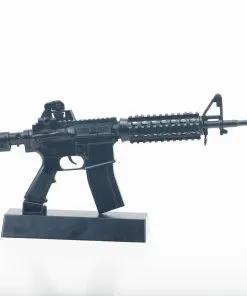
Proper storage is essential to protect your miniature diecast guns from damage. Store your models in a dry, cool place away from direct sunlight and extreme temperatures. The best way to store is to use a display case with individual compartments to protect each model from dust and scratches. Avoid storing models in areas prone to humidity, as this can cause rust or corrosion. Consider using silica gel packets to absorb any excess moisture. When handling the models, do so with clean hands to avoid transferring oils or dirt. Proper storage preserves the condition and value of your collection, ensuring they last for years.
Displaying Your Collection
Displaying your miniature diecast guns is an integral part of collecting, allowing you to showcase your passion and appreciate the artistry. Whether you choose to arrange your collection on a shelf, in a display case, or within a dedicated room, the presentation is key. Effective display strategies enhance the visual appeal and protect your models. A well-organized display reflects your dedication as a collector. Displaying your collection allows you to share your passion and create an enjoyable viewing experience.
Consider using a display case with lighting to highlight the details of your models. Organize your collection by type, manufacturer, or historical period. This will create a visually appealing and informative display. Use descriptive labels to provide context and history. Rotate your display periodically to prevent light damage and keep your collection fresh. Be sure to keep the display area clean and dust-free. Thoughtful display ensures your collection is both protected and admired. It also enhances the enjoyment of your hobby.