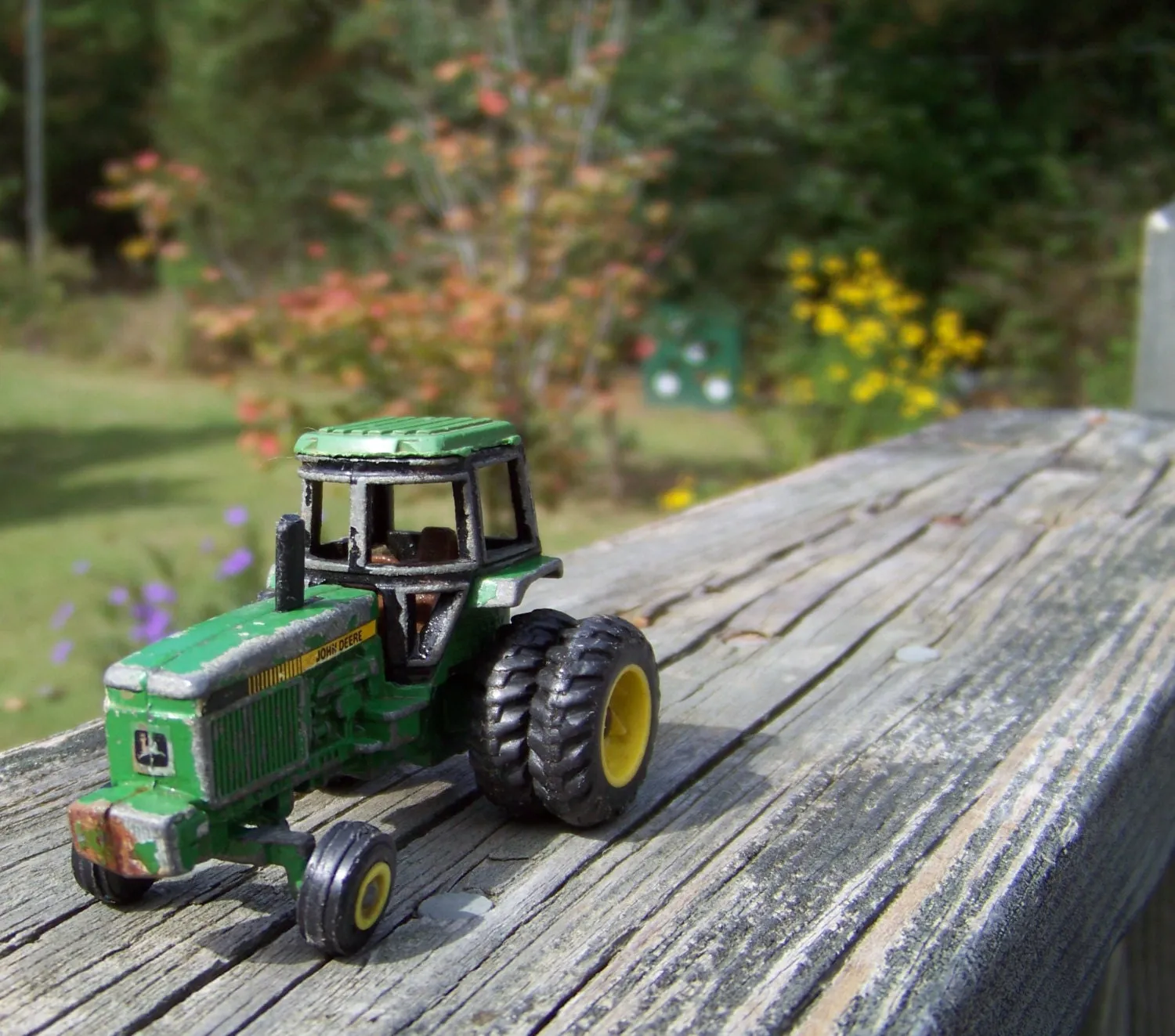
The Allure of John Deere ERTL Diecast
John Deere ERTL diecast models have captivated collectors for generations, offering a tangible link to the iconic agricultural machinery. These meticulously crafted miniature replicas of John Deere tractors, combines, and other equipment are more than just toys; they’re miniature works of art, representing a blend of nostalgia, craftsmanship, and the enduring appeal of the John Deere brand. The enduring popularity of these diecast models stems from their detailed accuracy, the variety of models produced over the years, and the sense of community among collectors. Whether you’re a seasoned collector or just starting out, understanding the nuances of collecting John Deere ERTL diecast can be a rewarding experience. The market is ripe with opportunity, but also challenges, making these tips vital. With values fluctuating based on rarity, condition, and historical significance, the world of John Deere ERTL diecast offers both investment potential and the simple joy of collecting. The following tips will help you navigate this exciting hobby.
Tip 1 Inspecting Diecast Condition
The condition of a John Deere ERTL diecast is paramount to its value and appeal. Before purchasing, carefully inspect the model for any signs of damage, wear, or imperfections. A pristine model will command a significantly higher price than one with noticeable flaws. Begin by examining the paint for any chips, scratches, or fading. Even small blemishes can detract from the overall presentation. Additionally, inspect the wheels and tires for damage, wear, and tear, as these are often prone to damage. Ensure the wheels roll smoothly and are securely attached. Minor imperfections might be acceptable for models intended for play, but collectors typically seek models in near-mint or mint condition. Furthermore, check all moving parts, such as the steering wheel and any detachable components, to ensure they function correctly. Careful inspection helps assess a model’s true value and potential for your collection. Remember, assessing the condition is a crucial step.
Understanding Diecast Grading

Understanding the grading system used for diecast models is vital for making informed purchasing decisions. Common grading scales range from mint (M), meaning the model is in perfect condition, to poor (P), indicating significant damage. Near mint (NM) models are generally considered in excellent condition, possibly with only minor flaws. Excellent (EX) models might have some visible wear, while good (G) models show more significant wear and imperfections. Grading is subjective but should be consistent. Pay close attention to the seller’s description and photos and request additional information if needed. A seller’s reputation and willingness to answer questions can provide insight into their grading standards. Familiarize yourself with the terminology and the common grading scales to make informed decisions on the diecast you’re buying, ensuring you know its actual value. Remember, accurate grading translates directly to the value of your investment.
Checking for Paint Imperfections
Paint imperfections can drastically affect the value of a John Deere ERTL diecast model. Inspect the paint finish under good lighting to identify any chips, scratches, or areas of discoloration. Look closely for bubbles, runs, or other inconsistencies in the paint application. Even minor flaws can be visible under close inspection, and these imperfections can diminish the overall aesthetics and desirability of the model. Pay extra attention to edges, corners, and areas that are more susceptible to wear and tear. Any touch-ups or repaints should be carefully evaluated, as these can impact the model’s originality and value. A model that has its original paint in excellent condition is always preferable, as it is a sign of its preservation. Thorough examination ensures that you understand the model’s true condition and value before making a purchase. Take your time and examine every inch.
Evaluating Wheel and Tire Condition
The condition of the wheels and tires is a key factor in determining a John Deere ERTL diecast’s overall condition and value. Check for any damage to the wheels, such as cracks, warping, or missing parts. The tires should be free from wear and tear and show minimal signs of age. Inspect the tires for any cracking or perishing. Ensure the wheels roll smoothly and are securely attached. The tires should ideally be in excellent condition, showing their original tread patterns and textures. Wheels and tires in good condition enhance the visual appeal and authenticity of the model. Any damage or wear in these areas can negatively affect the model’s value and playability. Paying attention to these small details can have a substantial effect on the value of the John Deere ERTL diecast model.
Tip 2 Identifying Rare John Deere ERTL Models

Identifying rare John Deere ERTL diecast models is crucial for building a valuable collection. Researching production runs, variations, and special editions can help you find these hidden gems. Certain models were produced in limited quantities, making them highly sought after by collectors. Knowledge of these models can drastically impact the value of your collection. Furthermore, understanding the history behind the production and releases adds depth to your collecting experience. Research is important to any collector.
Researching Production Years and Variations
Production years and variations play a significant role in determining the rarity and value of John Deere ERTL diecast models. Research the different model years and the variations produced within each year. Note any changes in design, paint schemes, or features. Limited production runs and special editions are often the most valuable. Online databases, collector guides, and forums can provide valuable information on production numbers and variations. Comparing models to known examples can help you identify rare pieces. Keep an eye out for any unique features or details that set a model apart from the others, as these may be indicators of its rarity. Knowing how to research production years and variations is key.
Understanding Limited Editions and Special Releases
Limited editions and special releases are highly prized among John Deere ERTL diecast collectors. These models were often produced to commemorate specific events or partnerships, making them more exclusive and valuable. Limited editions typically have a lower production run than standard models. Pay attention to any special packaging or documentation that accompanies these models. Special releases may feature unique paint schemes, detailed features, or modifications that set them apart from standard versions. Research the history behind each limited edition to gain a deeper understanding of its significance. These models are often a focal point of a collection. Knowing about special releases is essential to success.
Spotting Promotional and Dealer-Exclusive Pieces

Promotional and dealer-exclusive John Deere ERTL diecast models are particularly sought after due to their scarcity. These models were often produced for promotional purposes, such as dealer incentives, or were sold exclusively through John Deere dealerships. Look for models with special markings, logos, or packaging that indicate their promotional origin. Dealer-exclusive models may have unique paint schemes or features. Promotional models are often more valuable because they were not widely available to the general public. Researching the history of these models will help you identify their rarity and understand their true worth. Building an understanding of the promotional world is beneficial.
Tip 3 Authenticating Your John Deere ERTL Diecast
Authenticating your John Deere ERTL diecast is crucial to protect your investment. Counterfeit or altered models can be found, and a discerning eye can help you avoid them. Authentic models maintain their value. Thoroughly examining the model and its packaging is essential for verification. Look for telltale signs that indicate its authenticity. With the increase of replicas in the market, you have to learn how to differentiate between the original and the fake.
Examining Original Packaging and Boxes
Original packaging significantly increases the value and authenticity of your John Deere ERTL diecast models. Examine the box or packaging for any signs of wear, damage, or alterations. The packaging should match the model, including any specific details such as production year, model number, and color scheme. Look for any manufacturer markings, labels, and logos on the packaging. The packaging should be in a condition that is consistent with the model’s overall condition. Collectors often seek out models that have their original boxes. Keep in mind that any unusual discrepancies or missing details could be a red flag, so a careful evaluation is crucial.
Checking for Manufacturer Markings and Stamps

Manufacturer markings and stamps are key indicators of a John Deere ERTL diecast model’s authenticity. Examine the model for any markings that indicate the manufacturer, such as the ERTL logo or the model number. These markings are usually located on the underside of the chassis or on the model’s body. Look for any unique stamps or codes that may indicate the production date or batch. Compare these markings to known examples of authentic models to verify their accuracy. Any discrepancies in markings could be a sign of a counterfeit or altered model. Ensure all markings are present and correspond to the model’s specific design and production run. Always keep your eyes open and examine for any inconsistencies.
Verifying Scale and Proportions
Verifying the scale and proportions of a John Deere ERTL diecast model is essential for authentication. ERTL models come in various scales, and each model should accurately reflect the size and details of the actual John Deere machinery. Check the model’s dimensions against the known scale, which is usually printed on the packaging. A model’s proportions should be consistent with its scale and with other authentic models in the same scale. If possible, compare the model with photographs or illustrations of the real-life John Deere equipment. Any inconsistencies in scale or proportion could be a sign of a counterfeit or altered model. Accurate scale enhances the model’s collectibility and authenticity. Paying attention to scale is essential when you buy a diecast model.
Tip 4 Storing and Preserving Your Collection
Proper storage and preservation are essential for protecting your John Deere ERTL diecast collection from damage and deterioration. Implementing the right storage can ensure your collection’s longevity. You want to keep the value and condition for the years to come. Follow these guidelines to protect your investment and maintain the value of your models. From environmental factors to improper handling, there are several risks to consider when storing your collection.
Optimal Storage Conditions

Optimal storage conditions are vital for preserving your John Deere ERTL diecast models. Store your models in a cool, dry, and dark place to prevent damage from heat, humidity, and sunlight. Avoid areas with extreme temperature fluctuations, as this can lead to damage or deterioration. Consider using a climate-controlled environment, such as a storage room. Use acid-free containers or display cases to protect your models from dust and other contaminants. Keep the storage area clean and free from any potential hazards. By paying attention to storage, you will protect your investment. By creating the right environment, you will keep your models safe for years to come.
Protecting Against Dust and Sunlight
Protecting your John Deere ERTL diecast models from dust and sunlight is essential for preserving their condition. Dust can accumulate on the models and cause scratches or damage to the paint. Use display cases or enclosed storage containers to keep dust away. If you display your models, choose a location away from direct sunlight. The sun’s UV rays can cause the paint to fade or discolor over time. You can also use UV-protective film on your display cases. Regularly clean your models with a soft cloth to remove any dust buildup. Protect your models from both dust and sunlight to maintain their appearance and value. Always ensure your models are protected from any sunlight.
Proper Handling and Display Techniques
Proper handling and display techniques are crucial for preserving your John Deere ERTL diecast collection. Handle your models with care to avoid scratches, dents, or other damage. When handling the models, hold them by the chassis or base to minimize direct contact with the painted surfaces. Consider wearing gloves to prevent fingerprints or oil from your hands. Display your models in a secure location, such as a display case or on a shelf that is out of reach from children or pets. Avoid overcrowding your display, as this can increase the risk of accidental damage. Regularly inspect your models for any signs of damage and take appropriate action. Handle your models with care to preserve their condition and value. It is always important to handle with care.
Tip 5: Building Your John Deere ERTL Network

Building a network of fellow collectors is essential for any John Deere ERTL diecast enthusiast. Participating in online forums, connecting with other collectors, and attending diecast shows are ways to learn more about your hobby. Sharing information and experiences with others is essential. Network with other people with similar interests. This network can provide you with valuable knowledge, resources, and opportunities to expand your collection. Moreover, it provides an enjoyable way to share your passion. Learning from the experiences of others can prevent costly mistakes and help you build a more valuable collection. This is a great way to learn and keep up to date with the latest trends.
Connecting with Other Collectors
Connecting with other John Deere ERTL diecast collectors can be a rewarding experience. Search for local collectors through online forums or social media groups. Attend local diecast shows or meetups to connect with other collectors in person. Join online communities and forums dedicated to collecting diecast models. Engaging with other collectors allows you to share your passion and learn from their experiences. Collectors may have the knowledge and resources you need. Learn from others. It can also provide you with opportunities to buy, sell, or trade models. Connecting with others enhances your collecting experience and can lead to valuable friendships.
Utilizing Online Forums and Communities
Utilizing online forums and communities dedicated to John Deere ERTL diecast collecting can provide you with a wealth of information and resources. Join forums or social media groups. These platforms allow you to connect with other collectors, ask questions, and share your knowledge. Learn from others. Forums often feature discussions about model identification, value, and the latest releases. You will also find forums offering tips on restoration, storage, and display techniques. You will also have the opportunity to buy, sell, or trade with other collectors. Engage with these platforms to stay informed and connected. Staying connected through these communities can help you learn the latest trends.
Attending Diecast Shows and Events
Attending diecast shows and events is an excellent way to connect with other collectors and expand your collection. Diecast shows provide opportunities to see a wide variety of models. You can buy, sell, or trade models with other collectors. Events offer chances to learn about the latest trends in the hobby. Attend shows to learn about new models and connect with dealers and enthusiasts. You will be able to examine models and talk to other enthusiasts. Networking in person is a valuable experience. Attending these events will give you new contacts and fresh perspectives on John Deere ERTL collecting.
In conclusion, collecting John Deere ERTL diecast models is a rewarding hobby that combines nostalgia, history, and investment potential. By following these five tips inspecting the condition, identifying rare models, authenticating your models, proper storage and preservation, and building a collector’s network, you’ll be well-equipped to navigate the world of John Deere ERTL diecast. Enjoy the journey and happy collecting!