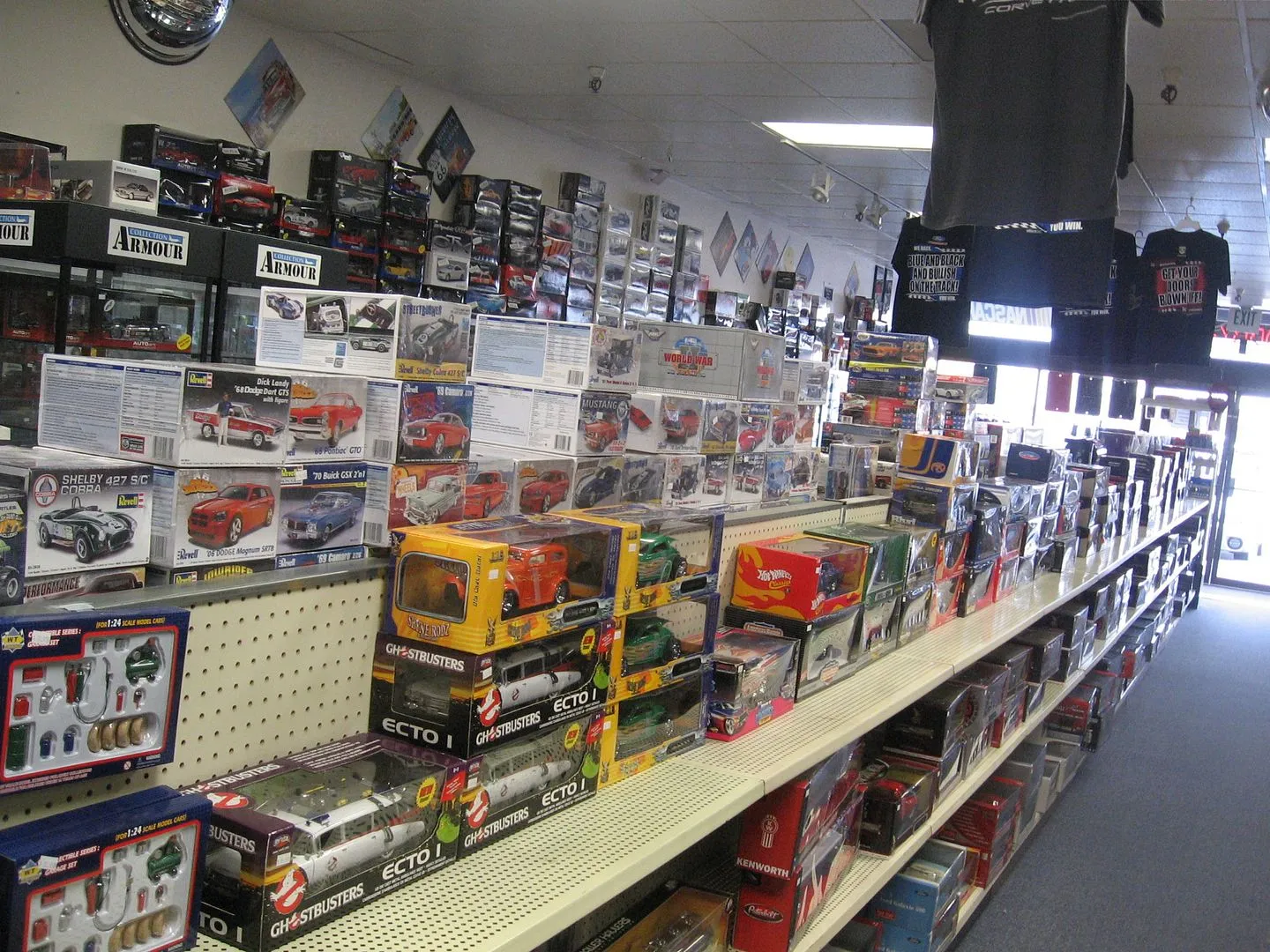
Planning Your Online Diecast Store
Starting an online diecast store can be a rewarding venture for enthusiasts and entrepreneurs alike. It requires careful planning, a solid understanding of the market, and a commitment to providing quality products and excellent customer service. This guide will walk you through the essential steps to launch and grow your own successful online diecast store, from initial planning to ongoing optimization. The world of diecast models is vast and varied, offering a multitude of opportunities for those who are passionate about miniature vehicles. Proper planning sets the stage for success, reducing risks and increasing the likelihood of profitability. Think about what makes your store unique and how you will provide a great customer experience.
Researching the Diecast Market
Before diving into the specifics, it is crucial to conduct thorough market research. Understand the current trends, popular brands, and customer preferences. Analyze competitor websites to see what they are doing well and identify areas where you can differentiate your store. Use online tools to gauge search volume for relevant keywords, and explore social media groups and forums to identify collector interests. Market research will help you identify your target audience, understand their needs, and tailor your product selection and marketing efforts effectively. Understanding the market dynamics also includes being aware of pricing strategies, shipping costs, and the overall landscape of the diecast model industry. Evaluate the demand for various scales, types (cars, trucks, motorcycles), and manufacturers.
Identifying Your Niche

The diecast model market is vast, so focusing on a specific niche can help you stand out. Consider specializing in a particular brand, scale (like 1/18, 1/43, or 1/64), era (classic cars, modern supercars), or type (military vehicles, construction equipment). A niche allows you to target a specific audience, curate a focused inventory, and establish yourself as an authority in that area. By narrowing your focus, you can better understand your target customers, refine your marketing strategies, and build a loyal customer base. This targeted approach also helps with inventory management and can reduce initial investment costs. Think about what you are passionate about, and what areas are underserved in the current market. Identifying your niche helps in creating a unique brand identity.
Choosing a Business Model
Decide on your business model: will you operate as a dropshipper, wholesaler, or retailer? Dropshipping requires minimal upfront investment, as you don’t need to hold inventory, but your profit margins may be lower. Wholesaling involves purchasing products in bulk and selling them at a markup, offering better profit margins but requiring more capital and storage space. A retail model involves buying, storing, and selling diecast models directly to customers. Each model has its own advantages and disadvantages, so choose the one that aligns with your financial resources, risk tolerance, and long-term goals. Your business model will affect how you source your products, manage inventory, and handle shipping and customer service. Consider the scalability of each model and how it aligns with your vision for your business.
Building Your Online Store
Selecting Your E-commerce Platform

Choose a suitable e-commerce platform. Popular options include Shopify, WooCommerce (for WordPress), BigCommerce, and Etsy. Consider factors like ease of use, design flexibility, SEO capabilities, payment gateway integrations, and pricing. Shopify is known for its user-friendliness and robust features, while WooCommerce offers greater customization options for WordPress users. Research the features of each platform, considering your budget and technical skills. Your e-commerce platform will be the foundation of your online store, so ensure it is reliable, secure, and scalable. Select a platform that supports your chosen business model and allows you to manage inventory, process orders, and handle customer interactions efficiently. Assess the available plugins and integrations to enhance functionality.
Designing an Attractive Website
Your website should be visually appealing, easy to navigate, and optimized for conversions. Use high-quality images of your diecast models, write detailed product descriptions, and provide clear calls to action. Ensure your website is mobile-friendly, as many customers will browse on their smartphones or tablets. A well-designed website builds trust and encourages customers to make purchases. Consider a clean and modern design with easy-to-find categories, search functionality, and secure checkout processes. Include customer reviews and testimonials to build credibility. Focus on creating an engaging user experience that reflects your brand identity and values. Regularly update your website with new products and content to keep it fresh and engaging.
Setting Up Payment Gateways
Integrate secure payment gateways like PayPal, Stripe, and others to process online transactions. These gateways handle the complexities of payment processing, ensuring secure and reliable transactions for both you and your customers. Ensure your chosen gateways support various payment methods, including credit cards, debit cards, and digital wallets. Consider the fees associated with each gateway and the payment options that are popular with your target audience. Clearly display accepted payment methods on your website. Security is paramount, so choose payment gateways that comply with industry standards and protect customer financial information. Testing the checkout process thoroughly ensures a smooth and secure transaction experience.
Sourcing Your Diecast Models

Finding Reliable Suppliers
Identify reliable suppliers or wholesalers. Research and compare different suppliers, considering factors like pricing, product selection, shipping costs, and reputation. Establish strong relationships with your suppliers to ensure a consistent supply of high-quality diecast models. Build relationships with several suppliers to mitigate risks associated with supply chain disruptions. Attend industry trade shows to network with suppliers and discover new product lines. Verify the supplier’s authenticity and reliability by checking their online reviews and references. Prioritize suppliers who offer competitive pricing and excellent customer service. Negotiate payment terms and establish clear communication channels for efficient order management.
Determining Your Inventory
Determine the inventory you will carry based on your niche and target audience. Start with a curated selection of popular and high-demand models. As your store grows, you can expand your inventory based on customer feedback and sales data. Implement inventory management strategies to track stock levels and prevent overstocking or running out of popular items. Use inventory management software or spreadsheets to keep track of your inventory. Regularly review your inventory turnover rate to identify slow-moving products and adjust your purchasing decisions accordingly. Consider offering pre-orders for upcoming releases to gauge customer interest and manage demand. Keeping a good record of inventory can minimize the risk of financial losses.
Negotiating Wholesale Prices

Negotiate favorable wholesale prices with your suppliers to maximize your profit margins. Research average market prices and use this information to your advantage during negotiations. Explore volume discounts by ordering in bulk, and inquire about exclusive deals or promotions. Build relationships with your suppliers and demonstrate your commitment to a long-term partnership. Clearly communicate your business needs and expectations. Understanding the pricing structure of your suppliers allows you to determine how much of a profit margin you need to make and to stay competitive. This can enable you to offer special promotions without hurting your bottom line.
Marketing and Promoting Your Store
Search Engine Optimization SEO Basics
Implement SEO best practices to improve your website’s visibility in search engine results. Conduct keyword research to identify terms that customers use to search for diecast models. Optimize your website content, including product descriptions, titles, and meta descriptions, with relevant keywords. Build backlinks from reputable websites to increase your website’s authority. Use image alt tags to describe your products and help search engines understand your content. Regularly update your website with fresh content to improve its search ranking. Create a sitemap and submit it to search engines. Monitor your website’s performance using tools like Google Analytics and Google Search Console, and make adjustments as needed. A well-optimized website increases organic traffic and drives more sales.
Social Media Marketing Strategies

Leverage social media platforms like Facebook, Instagram, and Pinterest to promote your store. Create engaging content, including high-quality photos and videos of your diecast models. Run contests and giveaways to increase engagement and attract new followers. Use relevant hashtags to reach a wider audience. Share customer reviews and testimonials to build trust. Promote your products through targeted advertising campaigns. Interact with your followers and respond to their comments and messages. Track your social media performance using analytics tools. Engage with other collectors and hobbyists to expand your reach and build a community. Consistency is key to social media success; post regularly and engage actively.
Email Marketing Techniques
Build an email list to communicate with your customers. Offer incentives like discounts or exclusive previews to encourage sign-ups. Send out newsletters with new product announcements, promotions, and special offers. Segment your email list to send targeted messages to specific customer groups. Use email marketing software to automate your email campaigns and track your results. Personalize your emails to improve engagement. Provide value in your emails by sharing relevant content, such as tips for diecast collectors or behind-the-scenes insights into your business. Analyze your email metrics to optimize your campaigns and improve your conversion rates. Consistent and engaging email marketing helps to drive repeat sales and build customer loyalty.
Fulfilling Orders and Shipping
Packaging and Shipping Guidelines

Proper packaging is essential to protect your diecast models during shipping. Use sturdy boxes, bubble wrap, packing peanuts, or other cushioning materials to prevent damage. Choose reliable shipping carriers like USPS, UPS, or FedEx, and offer various shipping options to cater to different customer needs. Calculate shipping costs accurately and be transparent about them. Provide tracking information to your customers so they can monitor the status of their orders. Consider offering free shipping over a certain order value to incentivize purchases. Optimize your packaging process for efficiency and cost-effectiveness. Ensure your packaging is secure enough to handle the rigors of shipping and handle each model carefully. This minimizes the risk of damaged goods and keeps your customer satisfied.
Managing Returns and Customer Service
Establish a clear and customer-friendly returns policy. Make it easy for customers to return items if they are not satisfied. Respond promptly to customer inquiries and resolve any issues efficiently. Provide excellent customer service to build trust and encourage repeat business. Be patient, understanding, and professional in your interactions. Offer refunds or replacements for damaged or defective items. Consider implementing a live chat feature on your website to provide immediate support. Soliciting customer feedback and making changes in response can improve satisfaction. Great customer service can turn a negative experience into a positive one and build a good reputation for your online store. Always put the customer first to build loyalty.
Analyzing Sales and Optimizing
Regularly analyze your sales data to identify trends, popular products, and areas for improvement. Use analytics tools to track your website traffic, sales conversions, and customer behavior. Monitor your advertising campaigns and adjust your strategies based on their performance. Identify your best-selling products and consider stocking more of them. Analyze your customer feedback and reviews to understand what your customers like and dislike. Make changes to your website, product descriptions, or marketing campaigns based on your findings. Continuously optimize your website, marketing efforts, and customer service to improve your performance and drive sales. Consistent analysis and optimization are critical to long-term success. Adapt to changes in the market and customer preferences to stay ahead of the competition.