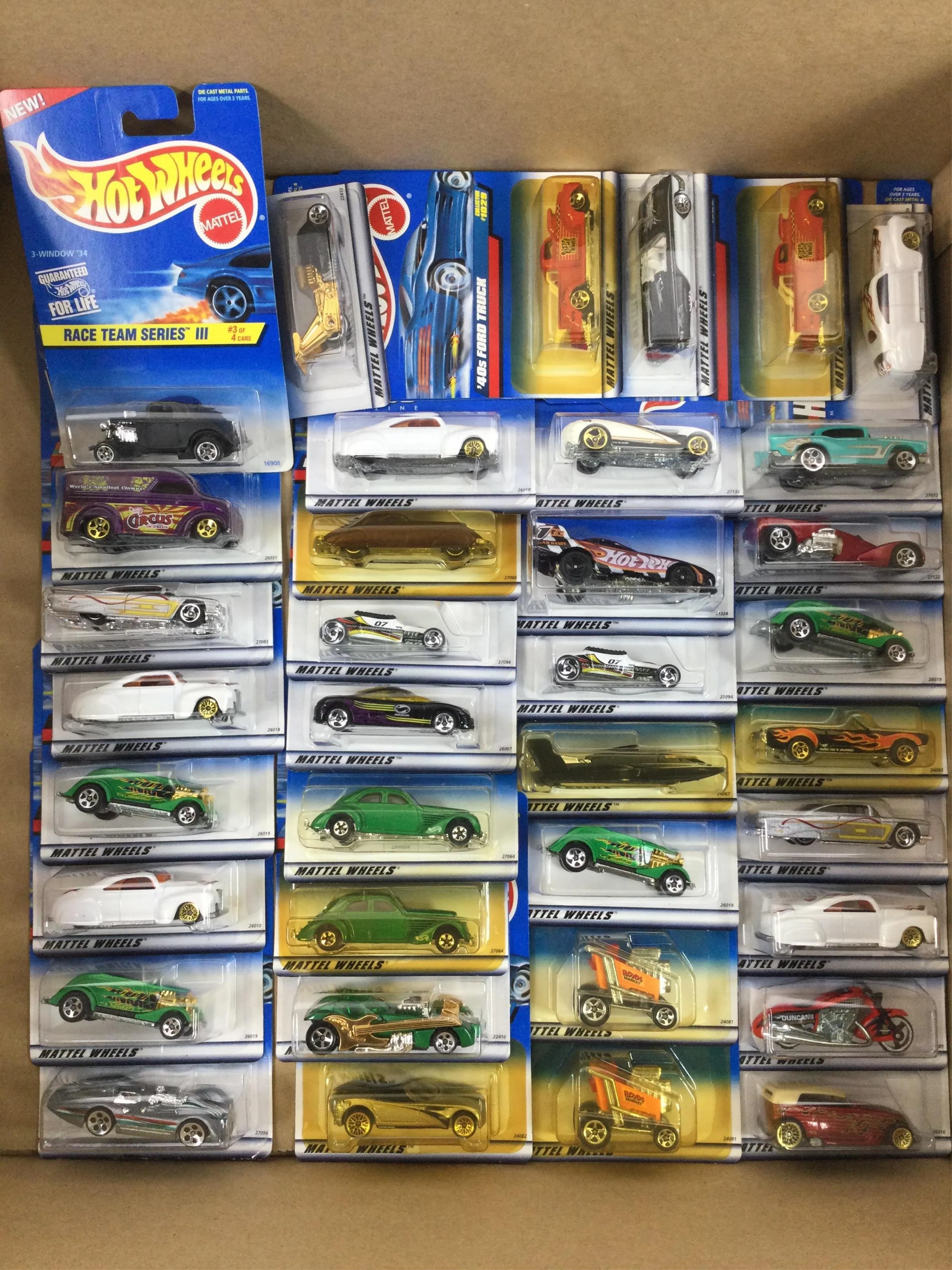
What Are Diecast Cars and Hot Wheels?
The world of miniature cars offers a fascinating glimpse into automotive history, design, and a passion for collecting. Two giants dominate this realm: diecast cars and Hot Wheels. Both provide enthusiasts with the joy of owning scaled-down versions of their favorite vehicles, but they cater to different tastes and purposes. Understanding the nuances between diecast cars and Hot Wheels is crucial for any collector or enthusiast looking to dive deeper into this hobby. This article will explore the top 5 differences between these two types of miniature cars, helping you understand their unique characteristics and decide which is right for you.
The History of Diecast Cars
Diecast cars boast a rich history, originating in the early 20th century. The first diecast toys were simple, often made of lead, and served as promotional items. As technology advanced, the manufacturing process evolved, and the materials shifted to more durable zinc alloys. Companies like Dinky Toys and Corgi Toys pioneered the production of highly detailed diecast models, capturing the imagination of children and adults alike. These early models were primarily designed as replicas of real-world vehicles, focusing on accuracy and realism. Over time, diecast cars became more sophisticated, featuring opening doors, detailed interiors, and realistic paint jobs, solidifying their status as collectible items.
The History of Hot Wheels

Hot Wheels burst onto the scene in 1968, revolutionizing the toy car market. Created by Mattel, Hot Wheels were designed with speed and performance in mind. Their defining features included sleek designs, vibrant colors, and the now-iconic redline tires. Hot Wheels were conceived to be fun and fast, often featuring custom designs and fantasy vehicles. Unlike diecast cars, which emphasized realism, Hot Wheels prioritized playability and collectibility, appealing to a younger audience. The brand quickly gained popularity, spawning a wide array of cars, track sets, and a dedicated community of collectors and racers.
Key Difference 1 Scale and Size
Scale and size are fundamental distinctions between diecast cars and Hot Wheels. These differences impact the level of detail, the intended use, and the overall collecting experience. Diecast cars generally adhere to specific scales, such as 1:18, 1:24, and 1:43, which accurately reflect the proportions of real-world vehicles. This focus on scale allows for a high degree of detail, with intricate features and realistic designs. Hot Wheels, on the other hand, typically operate on a smaller, less precise scale, usually around 1:64. This smaller scale allows for greater speed and playability, making them ideal for racing on track sets.
Standard Diecast Sizes
Diecast cars come in various sizes, with the most common scales being 1:18, 1:24, 1:43, and 1:64. 1:18 scale models are the largest and offer the most detail, often featuring opening doors, hoods, and trunks, as well as detailed engine compartments and interiors. 1:24 scale models are slightly smaller but still provide a high level of detail. 1:43 scale is a popular choice for collectors due to its balance of detail and affordability, while 1:64 scale diecast models are similar in size to Hot Wheels but typically offer more realistic designs and features.
Hot Wheels Sizes

Hot Wheels cars are primarily produced in a 1:64 scale, making them compact and easy to collect. This standardized size allows for easy storage and display, as well as compatibility with a wide range of track sets and accessories. The smaller size also contributes to their affordability, making them accessible to a broad audience. While the focus is not on precise scale accuracy, Hot Wheels models still incorporate design elements that reflect real-world vehicles or offer imaginative custom designs.
Key Difference 2 Materials and Construction
The materials and construction methods employed in diecast cars and Hot Wheels significantly influence their durability, detail, and overall aesthetic. Diecast cars, as the name suggests, are primarily made using a die-casting process, where molten metal, typically zinc alloy, is poured into molds. This process allows for intricate designs and high levels of detail, resulting in a sturdy and durable product. Hot Wheels cars also use die-casting for their chassis, but the bodies are often made of plastic. This combination of materials allows for lightweight designs and vibrant colors, contributing to their speed and visual appeal.
Diecast Materials and Build
Diecast cars are known for their robust construction, utilizing primarily metal components. The use of zinc alloy in the die-casting process ensures durability and a premium feel. Many diecast models feature opening doors, hoods, and trunks, often incorporating detailed engine compartments and interiors. The paint quality is typically high, with realistic finishes and accurate detailing. The materials and construction methods contribute to the longevity and collectibility of diecast cars, making them a valuable investment for enthusiasts.
Hot Wheels Materials and Build

Hot Wheels cars combine metal chassis with plastic bodies, optimizing for speed and playability. This construction method allows for a wide range of vibrant colors and dynamic designs. The use of plastic components reduces weight and contributes to the cars’ ability to navigate track sets. The focus is on creating fun, eye-catching designs that appeal to a younger audience. While the details may not be as intricate as those found in diecast cars, Hot Wheels models often feature unique paint schemes, graphics, and customized features.
Key Difference 3 Target Audience and Purpose
Diecast cars and Hot Wheels cater to distinct target audiences and serve different purposes. Diecast cars typically appeal to adult collectors and enthusiasts who appreciate realism, detail, and historical accuracy. These collectors are often interested in owning miniature replicas of specific vehicles, historical models, or limited-edition releases. Hot Wheels, on the other hand, primarily target children and young adults who are drawn to speed, playability, and imaginative designs. The purpose of Hot Wheels is to provide entertainment and foster a sense of fun and excitement.
Diecast Cars Target Audience
Diecast cars are primarily aimed at adult collectors who have a passion for automobiles, history, and detailed craftsmanship. This audience often seeks to build comprehensive collections, focusing on specific brands, models, or eras. The appeal lies in the realism, the ability to own a scaled-down version of a favorite vehicle, and the investment potential of rare or limited-edition models. Collectors frequently display their diecast cars in showcases, participate in clubs, and attend events dedicated to the hobby.
Hot Wheels Target Audience

Hot Wheels are designed to entertain children and young adults. The focus is on fun, speed, and collectibility, encouraging imaginative play and creative expression. Kids and young adults are drawn to the bright colors, unique designs, and the ability to race them on track sets. Hot Wheels fosters a sense of community among collectors, with online groups, events, and a strong secondary market for rare and sought-after models.
Key Difference 4 Collectibility and Value
Collectibility and value are important factors for both diecast cars and Hot Wheels, but the nature of these aspects varies. Diecast cars are often valued for their accuracy, detail, and rarity. Limited-edition models, prototypes, and vintage cars can command high prices in the secondary market, making them a significant investment for collectors. Hot Wheels also have a strong collector base, with specific models, such as those with rare paint jobs or errors, attracting substantial values.
Diecast Cars Collectibility
The collectibility of diecast cars is tied to factors such as the accuracy of the model, the level of detail, and the scarcity of the release. Limited production runs, special editions, and models from renowned manufacturers often increase in value over time. Collectors seek to build comprehensive collections, often specializing in specific brands, models, or scales. The condition of the car, including the original packaging, is a key factor in determining its value. Investing in diecast cars can be a rewarding hobby, providing both enjoyment and potential financial returns.
Hot Wheels Collectibility

Hot Wheels are highly collectible, with certain models fetching substantial prices. The value of a Hot Wheels car is influenced by factors such as its rarity, the presence of errors, and the popularity of the design. Limited-edition releases, such as those produced for specific events or collaborations, often increase in value. The collector community is vibrant, with enthusiasts actively seeking out rare models and participating in online forums and trading platforms. Collecting Hot Wheels provides a fun and accessible way to participate in the world of collectibles, with the potential for discovering valuable treasures.
Key Difference 5 Playability and Features
Playability and features differ significantly between diecast cars and Hot Wheels, reflecting their distinct design goals. Diecast cars, with their emphasis on realism, may offer features such as opening doors, hoods, and trunks, as well as detailed interiors and engine compartments. These features enhance the display value and allow for a more immersive experience. Hot Wheels prioritize speed and performance, designed to race on tracks. They offer vibrant colors, unique designs, and compatibility with various track sets and accessories, promoting creativity and imaginative play.
Diecast Cars Playability
Diecast cars, while designed primarily for display, offer a degree of playability. The opening doors, hoods, and trunks provide an interactive element, allowing collectors to examine the interior details and mechanical components. The detailed designs and realistic finishes contribute to a more engaging experience. However, the primary purpose is not focused on play, but more on the appreciation of the craftsmanship and the realistic representation of the vehicle.
Hot Wheels Playability

Hot Wheels are designed to be fun and fast, with an emphasis on playability. Their compatibility with track sets and accessories makes them ideal for racing and imaginative play. The smaller size and lightweight construction contribute to their speed and maneuverability. The vibrant colors, unique designs, and custom features provide a visually engaging experience. The focus on play makes Hot Wheels an excellent choice for children and anyone who enjoys the thrill of racing and creative expression.
Conclusion Which Car is Right for You?
Choosing between diecast cars and Hot Wheels ultimately depends on your individual preferences and goals. If you appreciate realism, detailed craftsmanship, and the historical accuracy of miniature vehicles, diecast cars are the perfect choice. If you are looking for fun, speed, vibrant designs and a dynamic play experience, then Hot Wheels is an excellent choice. For collectors of all ages, both diecast cars and Hot Wheels offer a fascinating hobby. Both categories provide a world of fun and excitement, it is up to you which one is the perfect fit for your interests.