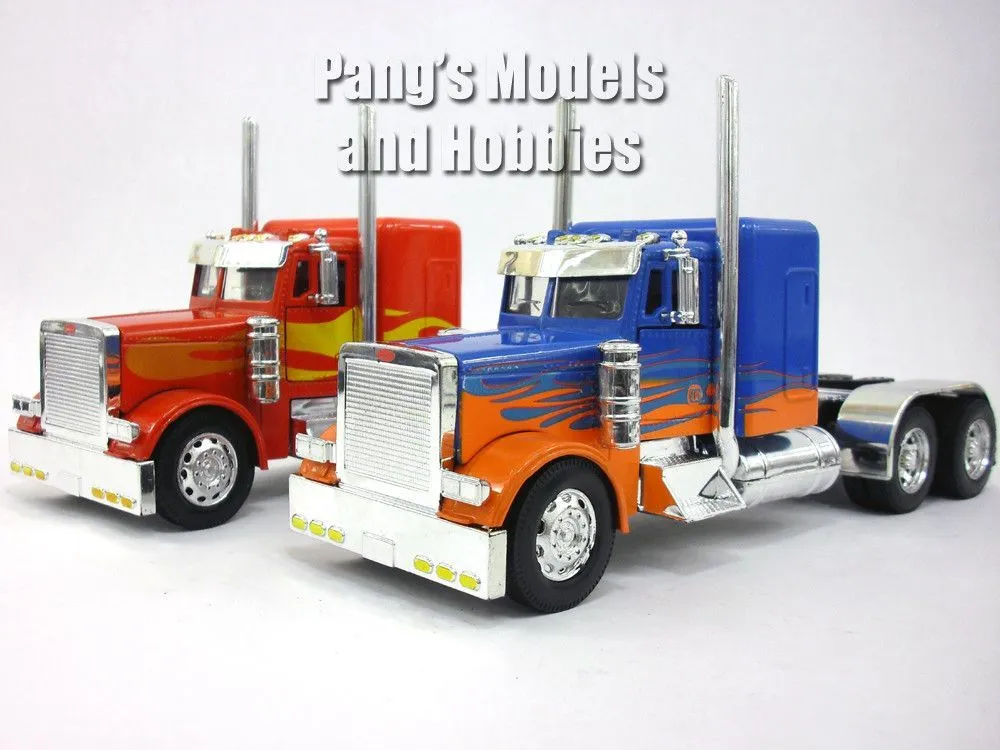
What is the Peterbilt 379 Diecast
The Peterbilt 379 diecast model is a miniature replica of the iconic Peterbilt 379 semi-truck, a legendary vehicle in the trucking industry. These diecast models are highly sought after by collectors due to their intricate detail, realistic appearance, and the nostalgia associated with the original truck. Diecast models are typically made using a process where molten metal is injected into a mold to create the various parts of the truck. These parts are then assembled, painted, and detailed to accurately represent the full-sized Peterbilt 379. They serve as both a testament to the engineering marvel of the Peterbilt 379 and as beautiful display pieces for collectors.
Why Collect Peterbilt 379 Diecast
Collecting Peterbilt 379 diecast models offers a unique blend of passion for trucking and appreciation for detailed craftsmanship. These models capture the essence of a classic American truck, bringing back memories of the open road and the legacy of the Peterbilt brand. They are more than just toys; they are miniature works of art. Collecting can be a rewarding hobby, providing a sense of community and the thrill of the hunt for rare or limited-edition models. Additionally, the value of well-preserved diecast models can appreciate over time, making them a potential investment for collectors. The satisfaction of owning a meticulously crafted piece that represents a significant part of trucking history is a significant appeal.
The History of Peterbilt 379

The Peterbilt 379 was first introduced in 1987 and quickly became a favorite among truckers for its powerful performance, classic styling, and long-haul durability. The 379 model was a direct successor to the 359, building on its legacy with enhanced features and design elements. Known for its distinctive long hood, chrome accents, and powerful engine options, the 379 represented the pinnacle of trucking excellence at the time. It was produced until 2007, and during that time, it earned a reputation as one of the most iconic and recognizable trucks on the road. Its rugged construction and driver-friendly design cemented its place in trucking history, making it a popular subject for diecast models to capture the truck’s legacy.
Key Features of the Peterbilt 379
The Peterbilt 379 was celebrated for its exceptional build quality and striking appearance. Key features included a long, distinctively styled hood that housed powerful engines, often including a Caterpillar or Cummins. The truck’s design emphasized chrome accents on the grille, exhaust stacks, and fuel tanks, adding to its aesthetic appeal. Inside, the 379 offered a comfortable and functional cab, designed with the driver in mind. Its durability and reliability made it a favorite among long-haul drivers. The model was also customizable, with options for different sleepers, transmissions, and engines, making each 379 unique to its owner. These features have been carefully replicated in diecast form, allowing collectors to appreciate the original truck’s design.
Scale Sizes of Diecast Peterbilt 379
Diecast Peterbilt 379 models come in various scales, each offering a different level of detail and size. The scale refers to the ratio of the model’s size to the actual truck’s size. Common scales include 1/64, 1/50, and 1/32. Larger scales provide more detail and allow for a closer look at the model’s components, while smaller scales are more compact and suitable for display in limited spaces. Collectors often choose a particular scale to maintain consistency within their collection, although the variety of scales adds to the diversity and interest for collectors. The scale of a diecast model affects both its price and the level of detail that can be achieved, influencing the model’s collectibility.
1/64 Scale Models

1/64 scale diecast models are among the most popular, especially for those new to collecting. These models are relatively small, typically measuring around 5-7 inches long. Their compact size makes them ideal for display and storage, while they still offer impressive detail. They are often more affordable than larger scale models, making them accessible to a wider range of collectors. Many manufacturers produce 1/64 scale Peterbilt 379 models, providing a wide variety of styles and designs to choose from. This scale is often favored by those who collect various types of diecast vehicles, including cars and trucks.
1/50 Scale Models
1/50 scale models are a favorite among serious collectors who are looking for a balance between detail and size. These models are usually around 10-12 inches in length, providing a more substantial presence on a display shelf. They offer a higher level of detail compared to 1/64 scale models, allowing for intricate features like detailed interiors and engine components. The 1/50 scale is commonly used by manufacturers, resulting in a wide variety of Peterbilt 379 models available to collectors. This scale often includes models with realistic paint schemes and high-quality materials, making them a valuable addition to any collection.
1/32 Scale Models
1/32 scale models represent the largest commonly available size for Peterbilt 379 diecast. These models are approximately 18-24 inches long, making them a centerpiece for any collection. They provide the highest level of detail, often including working lights, opening doors, and highly detailed interiors. These models usually come with a higher price tag due to their size and complexity, but they offer an unparalleled collecting experience. Due to their size and the intricate details, 1/32 scale Peterbilt 379 diecast models appeal to dedicated collectors. The larger size allows manufacturers to add even greater realism and authenticity to the models.
Materials Used in Diecast Production

The materials used in the production of Peterbilt 379 diecast models play a critical role in their quality, durability, and overall appeal. The primary materials are metal diecast alloys and plastics. The choice of material affects the model’s weight, the level of detail achievable, and its resistance to wear and tear. Quality materials are essential to creating a realistic and long-lasting diecast model that can be appreciated for years to come. The combination of these materials allows manufacturers to balance the realism and durability desired by collectors.
Metal Diecast
Metal diecast alloys are the cornerstone of many high-quality Peterbilt 379 models. These alloys typically include zinc, aluminum, and magnesium, which are melted and injected into molds under high pressure. This process allows for intricate detailing and precise shapes, creating a realistic look. Metal diecast models are heavier and provide a more premium feel than plastic models. The metal material also contributes to the model’s durability, making it less prone to damage from handling or display. The use of metal often allows for better replication of the truck’s structural components, adding to the overall authenticity.
Plastic Diecast
Plastic components are often used in conjunction with metal diecast in the construction of Peterbilt 379 models. Plastics offer flexibility and are suitable for parts that require specific shapes or intricate detailing. They can be used to create features such as interior components, lights, and trim. Plastic parts can also make models more affordable, making them accessible to a wider range of collectors. While not as durable as metal, modern plastics can withstand handling and display well. The combination of plastic and metal allows manufacturers to balance cost, detail, and durability, creating a diverse range of diecast models to suit collectors’ needs.
Factors Affecting Diecast Peterbilt 379 Value

The value of a diecast Peterbilt 379 is influenced by several factors, including rarity, condition, brand, and manufacturer. Understanding these factors is essential for both buying and selling diecast models. The value is not just about the model’s appearance but also its historical significance and collectibility. Collectors are often looking for models that are unique, limited edition, or that represent a specific era of the Peterbilt 379. The combination of these factors determines a diecast model’s worth, contributing to its appeal.
Rarity and Limited Editions
Rarity is a primary driver of value in diecast collecting. Limited edition models, those produced in small quantities or for specific events, often command higher prices. Models with unique paint schemes, special features, or those associated with certain trucking companies or events are often highly sought after by collectors. Limited production runs increase a model’s exclusivity, making it more valuable over time. Collectors often seek out these rare models to add to their collections, driving up their desirability and value in the collector’s market.
Condition and Preservation
The condition of a diecast Peterbilt 379 significantly impacts its value. Models in mint or near-mint condition, free from scratches, dents, or paint imperfections, are more valuable than those with signs of wear and tear. Collectors highly value models that have been well-preserved. Keeping the original packaging, if available, further enhances the model’s value. Proper storage, away from direct sunlight and extreme temperatures, helps to maintain the model’s condition. Taking care to preserve models ensures that they remain attractive and valuable for years to come.
Brand and Manufacturer

The brand and manufacturer of a diecast Peterbilt 379 also play a significant role in its value. Some manufacturers have earned a reputation for producing high-quality models with exceptional detail and accuracy. Brands like SpecCast, DCP, and ERTL often create highly desirable models. The manufacturer’s reputation for quality, the level of detail, and the accuracy to the original truck model all contribute to the value of a diecast. Collecting models from reputable manufacturers often provide collectors confidence that they are investing in a high-quality piece.
Finding and Purchasing Peterbilt 379 Diecast
Finding and purchasing diecast Peterbilt 379 models requires exploring various avenues. The availability of different models can vary, depending on their rarity, age, and demand. Collectors often rely on a mix of online marketplaces, specialty shops, and dealers to discover the models they desire. It’s a process that combines the thrill of the hunt with the pleasure of adding to your collection. Understanding the best places to look and the ways to navigate the market will help collectors find the best deals and expand their collections.
Online Marketplaces
Online marketplaces offer a vast selection of diecast Peterbilt 379 models. Websites such as eBay, Amazon, and dedicated diecast forums host a wide array of options, from common models to rare finds. Online marketplaces allow collectors to compare prices, view detailed photos, and read reviews before purchasing. They also provide access to a global market, where collectors from all over the world can buy and sell. It’s important to check seller ratings and read descriptions carefully before making a purchase, to ensure that you are receiving a genuine model. Online marketplaces provide a convenient and extensive source for collectors.
Specialty Shops and Dealers

Specialty shops and dealers are valuable resources for serious collectors. These retailers specialize in diecast models and often carry a curated selection of high-quality Peterbilt 379 models. Specialty shops offer knowledgeable staff who can provide information on specific models and assist with finding rare items. Dealers often have access to a wider range of models than general online marketplaces. Attending diecast shows and events provides the opportunity to meet other collectors, view models in person, and potentially find hidden treasures. Building relationships with specialty shops and dealers can be an essential strategy for building a significant collection.
Collecting and Displaying Peterbilt 379 Diecast
Collecting diecast Peterbilt 379 models involves more than simply acquiring the trucks; it also involves displaying and caring for your collection. Proper display and care are critical to preserving the models’ value and ensuring that they can be enjoyed for years to come. Deciding how to organize and showcase your collection is a personal choice, reflecting your preferences and the number of models you have. Creating an attractive and well-organized display enhances the enjoyment of your collection and protects the models from damage.
Display Cases and Shelving
Display cases and shelving are ideal for showcasing your diecast Peterbilt 379 models while protecting them from dust and damage. Glass-fronted display cases provide an elegant way to display your models, keeping them safe while allowing for easy viewing. Open shelving can also be used, providing flexibility in arrangement and display. The choice of display case or shelving depends on the size of your collection, the available space, and your personal style. Consider using LED lighting within your display to highlight the details of the models and enhance their appeal. The right display can make your collection a highlight of any room.
Organizing Your Collection
Organizing your diecast Peterbilt 379 collection can significantly improve its visual appeal and make it easier to find specific models. Consider organizing your models by scale size, manufacturer, paint scheme, or any other factor that makes sense to you. Some collectors group their models based on the real-world trucking companies they represent. Creating a system of organization makes it easier to manage and appreciate your collection. Keeping an inventory or a digital record of your models will also help in tracking your collection and preventing duplicates.
Caring for Your Diecast Models
Proper care is essential to preserving the condition and value of your diecast Peterbilt 379 models. Dusting your models regularly with a soft brush or cloth is important to prevent build-up. Avoid exposing them to direct sunlight or extreme temperatures, as this can damage the paint and materials. If you need to clean your models, use a gentle cleaner and avoid harsh chemicals. Storing your models in a cool, dry place is also important. Handling the models with clean hands and storing them in their original packaging will also help maintain their condition, preserving their value for years to come.