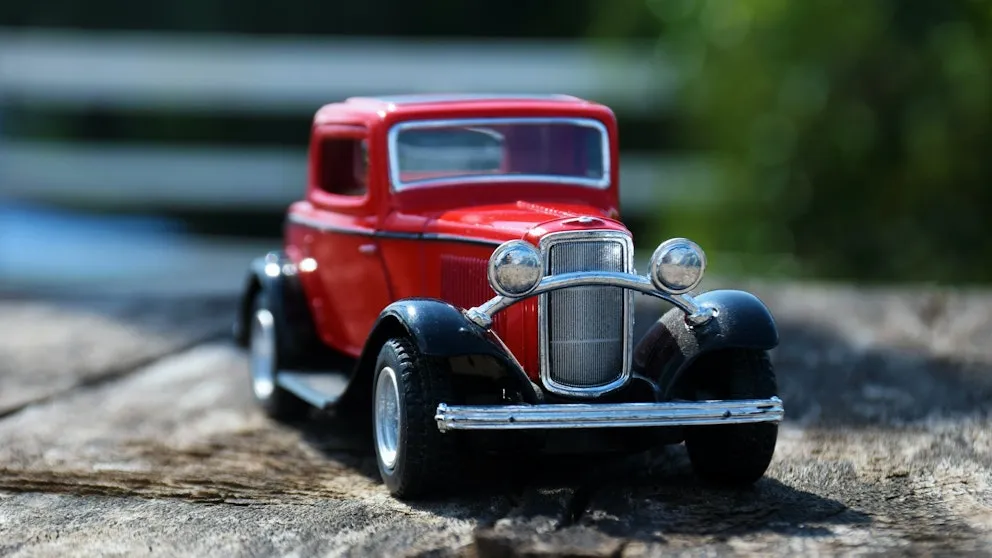
Diecast Models What are Diecast Models?
Diecast models are miniature replicas of real-world vehicles, typically made from die-cast metal. This process involves injecting molten metal, usually zinc alloy, into a mold to create intricate and detailed models. These models are highly sought after by collectors and enthusiasts of all ages. They offer a tangible connection to the automotive world, allowing individuals to own and appreciate iconic cars, trucks, and other vehicles in a compact and collectible form. The appeal of diecast models lies not only in their aesthetic beauty but also in their historical significance and the sense of nostalgia they evoke. Collectors are drawn to the fine details and accurate representation of the original vehicles, appreciating the craftsmanship and artistry involved in their creation. They represent a fantastic hobby for people of all ages, allowing them to build a tangible link to the cars and trucks of their dreams.
Types of Diecast Models
Diecast models come in a variety of types, spanning different vehicle categories and eras. These include classic cars, modern sports cars, trucks, buses, motorcycles, and even military vehicles. Each type offers its own unique appeal, attracting collectors with diverse interests. Some collectors specialize in a particular brand or model, while others focus on a specific era or type of vehicle. The range of choices allows collectors to personalize their collections according to their individual preferences. Some popular types include vintage cars, muscle cars, and racing cars, but there’s a huge variety of models available, offering endless possibilities to those looking to enter the hobby.
Scales and Sizes

Diecast models are produced in various scales, the most common being 1 18, 1 24, and 1 43. The scale represents the ratio between the model’s size and the actual vehicle’s size. For example, a 1 18 scale model is 1 18th the size of the real car. Larger scales, like 1 18, allow for more detail and intricate features, making them popular among serious collectors. Smaller scales, like 1 43, are more compact and easier to display in larger quantities. The choice of scale depends on the collector’s preferences and the available display space. Choosing the right scale is a key element in starting any diecast model collection. Most people choose to go with a smaller scale, like 1 43, when starting out because of their smaller size, but they will quickly find out the best size for their needs as they progress.
Diecast Models Essential Tools to Get Started
Starting a diecast model collection doesn’t require many specialized tools. However, a few essential items can enhance your collecting experience. A soft cloth or microfiber duster is useful for cleaning and maintaining your models. A magnifying glass can help you examine the fine details and appreciate the craftsmanship. A small screwdriver set might be needed for disassembling or repairing models. Tweezers can be handy for handling small parts or applying decals. A display case or shelves are essential for showcasing your collection and protecting it from dust and damage. With these basic tools, you’ll be well-equipped to start and maintain your diecast model collection.
Choosing Your First Models
When starting your collection, it’s essential to choose models that resonate with your personal interests. Consider vehicles that hold sentimental value or reflect your passions. Research different brands and manufacturers to find those that produce high-quality models with the details you want. Start with a few models to establish a foundation for your collection, focusing on variety and avoiding impulse purchases. Be patient and don’t feel pressured to acquire everything at once. Take your time to explore different models, brands, and scales to discover your collecting niche. Start with a few cars, trucks, or motorcycles that you love and enjoy, and build from there.
Where to Buy Diecast Models

Diecast models can be found in a variety of places, both online and in physical stores. Specialty hobby shops and model retailers offer a wide selection of models, as well as expert advice and support. Online marketplaces like eBay and Amazon provide a vast selection, including both new and vintage models. Local toy stores and department stores may also carry a selection of diecast models. Car shows, swap meets, and collectors’ events are excellent places to discover rare models and connect with other enthusiasts. When buying online, carefully check the seller’s feedback and product descriptions to ensure you’re purchasing a genuine item. Compare prices from different vendors to find the best deals and consider shipping costs. These are the ways you will build your collection to become an enjoyable experience.
Diecast Models Building Your Collection
Building a diecast model collection is a journey, not a race. Start by defining your collecting goals and interests. Consider the themes, brands, or eras you want to focus on. Set a budget and stick to it to avoid overspending. Research and learn about the models you’re interested in, including their history, value, and rarity. Network with other collectors to exchange knowledge and find rare items. Prioritize quality over quantity, focusing on models that meet your standards. Keep detailed records of your collection, including model names, scales, and purchase dates. Be patient and enjoy the process of building your collection. Over time, you’ll accumulate a unique and valuable collection that reflects your personal tastes and interests.
Displaying Your Models
Proper display is essential for showcasing your diecast models and protecting them from damage. Display cases or shelves with glass or acrylic covers offer a safe and attractive way to exhibit your collection. Consider using adjustable shelves to accommodate models of different sizes and scales. Arrange your models in a visually appealing manner, grouping them by type, brand, or era. Use lighting to highlight the details of the models and create a captivating display. Dust your display regularly to keep the models clean and prevent damage. Consider adding themed backgrounds or accessories to enhance the visual appeal of your display. A well-designed display not only protects your collection but also adds to the enjoyment and appreciation of your models.
Storing Your Models

Proper storage is crucial for protecting your diecast models from damage when they are not on display. Store your models in a cool, dry place away from direct sunlight and extreme temperatures. Avoid storing models in areas prone to moisture, such as basements or attics. Consider using individual boxes or cases to protect each model from dust and scratches. If you have a large collection, organize your models by type, brand, or scale to make it easier to locate them. Regularly inspect your storage area for any signs of pests or damage. By following these simple storage tips, you can ensure your diecast models remain in excellent condition for years to come, preserving their value and your enjoyment.
Diecast Models Maintaining and Caring for Your Models
Maintaining and caring for your diecast models is essential to preserve their condition and value. Regular cleaning is crucial to remove dust and debris that can damage the paint and details. Handle your models carefully, avoiding excessive force or pressure. Store your models in a safe and protected environment to prevent exposure to sunlight, humidity, and extreme temperatures. If you need to repair a model, use appropriate tools and techniques, or consider seeking professional assistance. Regularly inspect your models for any signs of damage or wear. By following these care tips, you can ensure your diecast models remain in excellent condition for years to come, preserving their beauty and value.
Cleaning Your Models
Cleaning your diecast models should be done carefully to avoid damage. Use a soft cloth or microfiber duster to gently remove dust and debris. Avoid using harsh chemicals or abrasive cleaners, as these can damage the paint and details. For stubborn dirt, you can use a slightly damp cloth or a cotton swab dipped in mild soapy water. Be sure to dry the model thoroughly after cleaning. Use a detail brush to reach small areas or crevices. Avoid excessive scrubbing or pressure. By taking care when cleaning your diecast models, you can keep them looking their best and preserve their value. With the right tools and techniques, you can build a thriving collection while ensuring your models are always on display!
Protecting Your Models

Protecting your diecast models is vital to maintaining their condition and value. Store your models in a dust-free, temperature-controlled environment away from direct sunlight. Consider using individual boxes or cases to protect each model from scratches and damage. Avoid handling your models excessively, as this can lead to wear and tear. When transporting your models, use appropriate packaging materials to prevent damage during transit. Regularly inspect your collection for any signs of damage or deterioration. With these measures, your collection will remain in pristine condition, allowing for maximum enjoyment.