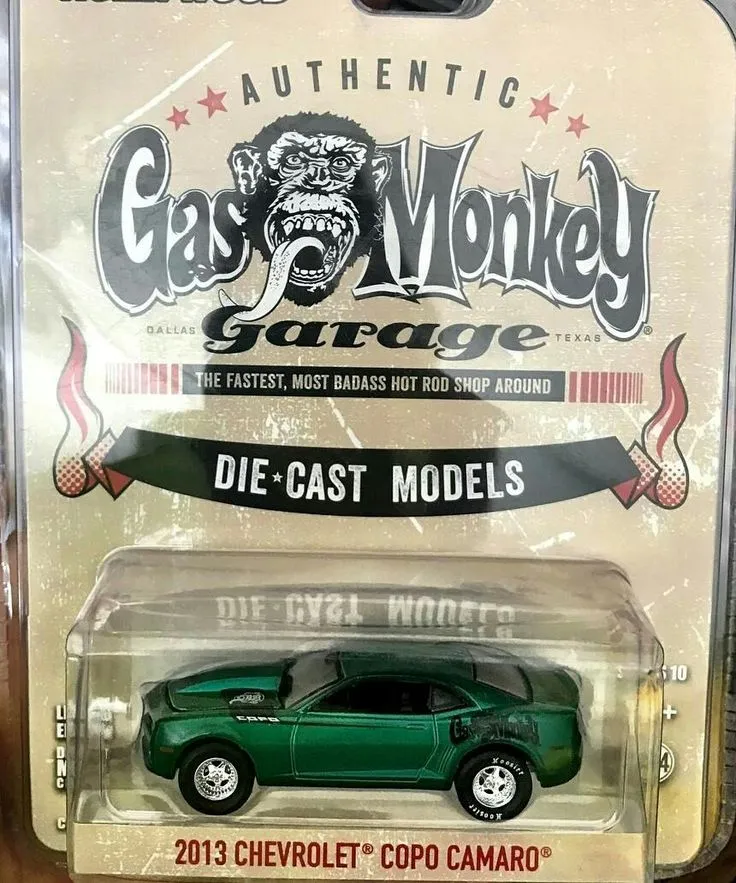
Diecast Model Car Wheels: Top 7 Tips
Diecast model car wheels are more than just functional components they are a crucial element in the overall aesthetic appeal and authenticity of your miniature vehicles. Choosing the right wheels can significantly enhance the look and value of your diecast collection. This guide provides seven essential tips to help you navigate the world of diecast model car wheels, ensuring you make informed decisions and elevate your collecting experience. Whether you’re a seasoned collector or just starting, these tips will assist you in selecting the perfect wheels to complement and enhance your prized diecast models. From understanding materials to considering scale and design, we’ll cover everything you need to know to make the best choices for your collection.
Tip 1: Understanding Wheel Materials
The materials used in diecast model car wheels significantly impact their appearance, durability, and overall quality. Different materials offer distinct advantages and cater to various preferences. Understanding these materials is the first step towards selecting the right wheels for your collection. Consider the level of detail, the feel of the wheels, and how well they complement the overall design of the model car. The material of the wheels influences not only how they look but also how they perform and last over time. Choosing the right material ensures your model cars look their best and stand the test of time, allowing you to enjoy your collection for years to come.
Plastic Wheels

Plastic wheels are commonly found in less expensive diecast models due to their cost-effectiveness and ease of manufacturing. They can be molded into various designs and often feature detailed patterns. However, plastic wheels may lack the intricate detail and premium feel of metal alternatives. Durability can also be a concern, as plastic may be more prone to wear and tear over time. If you’re looking for budget-friendly options or need wheels for models that will be handled frequently, plastic wheels can be a practical choice. However, for higher-end models or those where detail is paramount, you might consider other materials.
Metal Wheels
Metal wheels, typically made of diecast metal alloys, offer a premium look and feel that enhances the realism of model cars. Metal wheels often feature intricate designs, such as detailed spokes or realistic hubcaps. They are also more durable than plastic, withstanding wear and tear. Metal wheels are the preferred choice for many collectors looking for a high level of detail and authenticity. While they can be more expensive, the enhanced appearance and longevity make them a worthwhile investment for serious collectors. This choice reflects a commitment to quality and an appreciation for the finer details that define a great diecast model.
Rubber Tires
The tires on a diecast model car play a crucial role in both aesthetics and realism. Rubber tires, often made from high-quality materials, provide a realistic look and feel. They also offer a level of grip and can enhance the overall appearance of a model car. The texture and detailing on rubber tires contribute significantly to the model’s authenticity. Rubber tires also add a tactile element, enhancing the overall experience of handling the model. While plastic wheels can be found, the use of rubber tires is a common feature in model cars across many scales, adding a premium feel and a degree of realism that elevates the whole look.
Tip 2: Assessing Scale and Size

Scale and size are critical considerations when selecting diecast model car wheels. The scale of your model car dictates the appropriate wheel size. Incorrectly sized wheels will not only look out of place but can also affect the model’s overall proportions and authenticity. Different scales, such as 1:18, 1:24, and 1:43, require specific wheel dimensions. Ensuring compatibility with your model’s scale is essential for achieving a realistic and visually appealing result. Always verify the wheel size against the model car’s specifications or original wheels. Accurate sizing ensures that your models maintain their intended look and value.
1 18 Scale Wheels
1:18 scale models are among the most popular, known for their size and detail. Wheels for these models should be proportionate to the vehicle, often featuring intricate designs and realistic tire profiles. The larger size of 1:18 scale models allows for greater detail in the wheels, making them a focal point of the model’s appearance. When selecting wheels, pay close attention to the overall diameter, width, and offset to ensure they fit correctly and enhance the model’s realism. 1:18 scale wheels often reflect the designs of high-performance or luxury vehicles, making them a showcase of detail and craftsmanship.
1 24 Scale Wheels
1:24 scale models offer a balance between size and detail, making them a popular choice for collectors. Wheels for 1:24 scale models must be accurately sized to maintain the model’s proportions. Consider the wheel design, tire type, and overall aesthetic to ensure they complement the model car. Matching the wheel style to the car’s make and model is important for achieving the highest level of realism. With the proper wheels, 1:24 scale models can exhibit a striking level of detail, making them a great addition to any collection.
1 43 Scale Wheels

1:43 scale models, being smaller, require wheels with precise dimensions and detailing. Despite their size, the wheels must still maintain a high level of authenticity to enhance the model’s overall appearance. Focus on wheel design, material quality, and tire detail to ensure they fit the model correctly. Often, 1:43 scale wheels are simplified compared to those on larger scales, but still require attention to detail. Authentic wheels on 1:43 models bring the details that collectors and enthusiasts look for. Despite their size, these wheels can make a significant impact on the model’s authenticity and visual appeal.
Tip 3: Considering Wheel Design
The design of the wheels is a key factor in the overall aesthetic of your diecast model car. Wheel designs vary significantly, from simple steel wheels to complex alloy designs. The wheel design should complement the car’s body style and era. Considering the original wheels found on the real-world vehicle is crucial to achieving an authentic look. A well-chosen wheel design can dramatically enhance the model’s appeal, making it a standout piece in your collection. Take the time to research different wheel designs and consider how they will work with the car’s body style. The right wheels can transform a model from ordinary to extraordinary.
Spoke Wheels
Spoke wheels offer a classic and timeless design, often seen on vintage cars and certain sports models. They feature individual spokes radiating from the hub to the rim, creating an intricate and detailed appearance. Spoke wheels are known for their elegance and can greatly enhance the vintage appeal of a diecast model. When choosing spoke wheels, pay attention to the number and thickness of the spokes, as well as their overall finish. Proper detailing in the wheel can significantly boost the model’s visual impact. If you’re aiming for a classic or retro look, spoke wheels can be an excellent choice. The details of spoke wheels are very important, since it’s this particular feature that gives the model a more real aspect.
Mag Wheels

Mag wheels, also known as alloy wheels, are often associated with performance cars and modern designs. They offer a sleek and sporty appearance, typically made from aluminum or other lightweight alloys. Mag wheels feature a solid or multi-spoke design, which provides a contemporary aesthetic. They are available in a variety of finishes and styles, from polished chrome to matte black. When selecting mag wheels, consider the model car’s overall style and the desired level of aggression or elegance. Mag wheels can modernize the look of any diecast model car, making it a sleek, and visually appealing piece to your collection.
Steel Wheels
Steel wheels are a classic choice, often associated with older vehicles and utilitarian designs. They have a simple, robust appearance and are known for their durability. Steel wheels can be painted or finished in various ways, and they often feature hubcaps or wheel covers. These wheels can be found on many older vehicles and are a great way to bring back some nostalgia on your models. Steel wheels on your diecast models can give the models an authentic feel. They work well on many models that are looking for an original or retro look. They can be a great addition to any collection for their simple, yet classic look.
Tip 4: Evaluating Tire Types
The tires are a vital aspect of diecast model car wheels, influencing both aesthetics and realism. Different tire types serve various purposes and cater to different visual preferences. Assessing your model car’s style and intended look is important to pick the perfect tires. The right tires can enhance the overall appeal of the model car, providing a realistic and visually appealing result. Consider the model car’s era, type, and the desired level of detail when choosing tire types. A well-chosen set of tires can make a significant difference in the model’s overall appearance. The tires are more than just a visual element, they add to the realism that makes a diecast model special.
Slick Tires

Slick tires, characterized by their smooth surface and lack of tread, are typically found on racing or high-performance model cars. They offer a sleek and aggressive look, suitable for vehicles designed for speed and track use. The smooth surface and overall finish of slick tires provide a realistic look, enhancing the model’s realism. These tires provide a look and feel that compliments the model and enhances the overall aesthetic. When choosing slick tires, consider the overall design of the car. Slick tires help in improving the overall appeal and creating an authentic look, offering a distinct visual impact to the model.
Treaded Tires
Treaded tires feature patterns on the surface, providing a more realistic appearance for everyday road cars and off-road vehicles. The tread pattern can vary widely, from subtle grooves to more aggressive designs. Treaded tires enhance the model’s overall look. The texture and detailing add a layer of realism, making the model more visually appealing. Treaded tires enhance the authenticity of model cars, giving the impression of realistic tires. Choosing the right tread pattern can make a significant difference in the visual appeal of your model cars, providing a more authentic and engaging look.
Tip 5: Focusing on Authenticity
Authenticity is a key element in enhancing the value and appeal of your diecast model car collection. To achieve authenticity, research the specific wheels used on the real-world vehicle the model represents. Matching the wheel design, size, and tire type to the original vehicle’s specifications is crucial. Paying attention to the details, like wheel color, finish, and markings, can further enhance the authenticity of the model. By focusing on authenticity, you can create a collection that is both visually stunning and true to the vehicles it represents. Prioritize research on specific models and the details of their real-life counterparts to ensure an accurate portrayal.
Replicating Real-World Wheels

Replicating real-world wheels involves meticulously matching the design, size, and other details to the original wheels. This includes researching the specific wheel design, tire type, and any unique features of the real-world car. Consider wheel materials, finishes, and any specific markings or details that will contribute to the model’s authenticity. When you’re working on replicating real-world wheels, the model has an authentic look. The accurate details and design create a great representation of the car, which enhances the collection. It is essential to look at all the details and ensure that the model has the most accurate replication.
Tip 6: Checking Compatibility
Compatibility is a crucial factor when selecting diecast model car wheels, ensuring that the wheels fit correctly and function properly on your model. Incorrectly sized or incompatible wheels will not only look out of place but can also hinder the model’s functionality. Always verify wheel dimensions, including diameter, width, and offset, before making a purchase. Ensuring that the wheels fit properly, function smoothly, and enhance the overall look is critical to the aesthetic look and to protect the model itself. Prioritize correct sizing and ensure the wheels fit the vehicle’s axle, preventing any issues with mounting. Correct compatibility enhances the overall look and usability of your model cars.
Axle Size
Checking the axle size is essential for wheel compatibility. The axle is the rod that runs through the wheels, allowing them to rotate. Ensure that the new wheels have the correct hole diameter to fit your model car’s axles. Incorrect axle sizes prevent the wheels from rotating freely, affecting the model’s functionality. Proper axle compatibility guarantees that the wheels fit securely and rotate smoothly. Accurate axle sizes are a critical component of a well-functioning and visually appealing model car. Ensuring the wheels fit and function correctly is very important.
Wheel Mounting
Wheel mounting refers to the process of attaching the wheels to the model car’s axles. Different models and wheels may require different mounting methods. Some wheels snap onto the axles, while others may require glue or other fasteners. Before starting the mounting process, examine the model car and the new wheels to ensure they fit together. Proper mounting ensures that the wheels are securely attached, allowing for smooth rotation and enhancing the model’s visual appeal. Taking the time to mount the wheels correctly ensures they function properly and enhances the overall experience of your model. When considering wheel mounting, ensure that the model is handled carefully and that each wheel is mounted in the best way possible.
Tip 7: Finding Reputable Suppliers
Finding reputable suppliers is an important step to finding high-quality wheels, and it’s vital for ensuring a positive collecting experience. Reputable suppliers offer a variety of wheel options, provide accurate product information, and offer reliable customer service. Choosing a trusted supplier reduces the risk of receiving low-quality or counterfeit products, which can negatively impact your collection. Consider the supplier’s reputation, customer reviews, and product guarantees. These factors help to ensure that you’re investing in high-quality wheels that meet your expectations. Reliable suppliers will help make your collecting experience more satisfying. Purchasing from trusted suppliers helps to ensure the overall look and value of your diecast model car.
Online Retailers
Online retailers offer a vast selection of diecast model car wheels. They typically offer a range of choices, often including hard-to-find or specialized wheels. Research online retailers to read customer reviews, and assess their return policies. This will help ensure your purchase is of high quality. These retailers provide a wider selection and offer the convenience of browsing and purchasing from home. Reliable online retailers will usually have good customer service, and offer secure transactions. You’ll be able to compare prices and read customer reviews for the best deals. This allows you to find quality products from the comfort of your home, allowing you to enhance your collection with ease.
Specialty Shops
Specialty shops, both online and physical stores, often specialize in diecast model cars and accessories. They provide expert advice, high-quality wheels, and may also offer custom services. These shops offer detailed product information and personalized customer service. Specialty shops are often operated by enthusiasts and collectors, who can provide invaluable insights and recommendations. Visiting a specialty shop can provide a hands-on experience, allowing you to inspect wheels. These shops are great resources, making them an invaluable asset for collectors. The support and expertise offered at specialty shops are very useful in picking out wheels that will match any collection.
In conclusion, selecting the right diecast model car wheels involves careful consideration of materials, scale, design, tire types, authenticity, compatibility, and supplier reputation. By following these seven tips, you can confidently choose wheels that enhance your models’ appearance and value. Whether you’re upgrading your existing collection or just starting out, these guidelines will help you make informed decisions and create a visually appealing and authentic collection. Remember, the right wheels are a key element to the overall appeal and realism of your diecast model cars, making your collection a true testament to your passion for miniature vehicles.