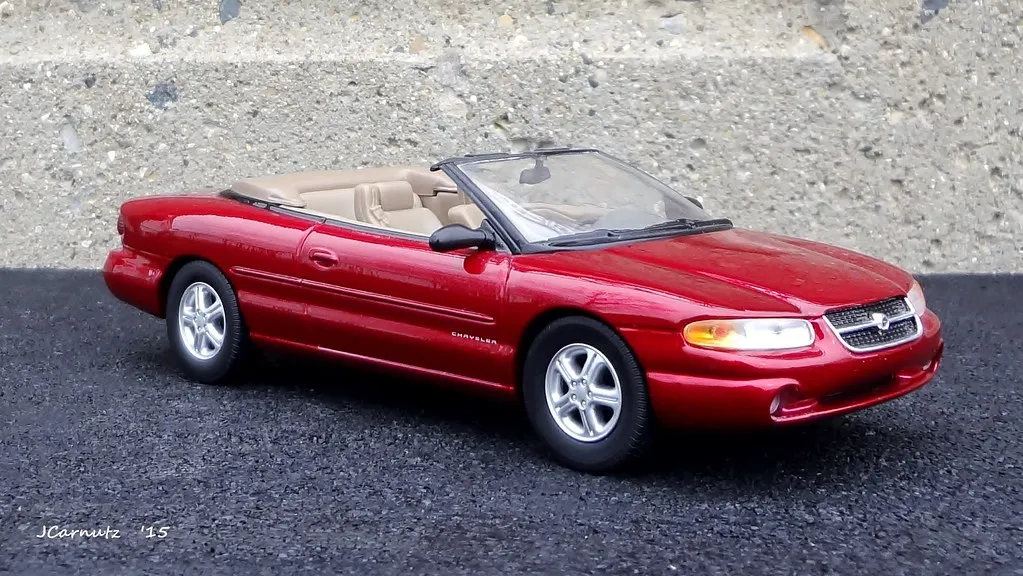
What are Diecast Cars
Diecast cars are miniature replicas of real-world automobiles, meticulously crafted to capture the essence of their full-sized counterparts. These models are typically made using a die-casting process, where molten metal is injected into molds to create intricate details and shapes. Diecast cars come in various scales, from tiny models to larger, more detailed versions, making them popular among collectors of all ages and interests. The appeal of diecast cars lies in their accuracy, collectibility, and the opportunity to own a tangible piece of automotive history. From classic vintage cars to modern sports cars and trucks, diecast cars offer a diverse and engaging hobby for enthusiasts.
Understanding Diecast Cars
To truly appreciate diecast cars, it’s essential to understand the manufacturing process and the elements that make them unique. Die-casting involves injecting molten metal, usually zinc alloy, into a mold to form the car’s body. Other components, such as tires, wheels, and interior details, are often made from plastic or rubber. The attention to detail in diecast cars is remarkable, with many models featuring opening doors, hoods, and trunks, and even detailed engine compartments and interiors. Quality varies among brands and scales, with some models being more detailed and accurate than others. Collectors often seek out rare or limited-edition models, which can increase in value over time.
Materials Used in Diecast Cars

The materials used in diecast cars play a significant role in their quality and durability. The primary material is typically a zinc alloy, which provides the weight and strength needed for the model’s body. Other materials commonly used include plastic for interior parts, tires, and some exterior details. Rubber is often used for tires, offering a realistic look and feel. Metal axles and screws are used to hold the components together, ensuring that the model can withstand handling and display. Higher-end diecast cars may feature additional details made from photo-etched metal or other high-quality materials to enhance their authenticity and collectibility. The combination of these materials is crucial to replicate real cars.
Scales of Diecast Cars
Diecast cars are available in a variety of scales, each representing a different ratio of the model’s size to the real car. Common scales include 1:18, 1:24, 1:43, and 1:64, with each scale offering a different level of detail and size. 1:18 scale models are among the largest and most detailed, offering intricate features and a significant presence on display. 1:24 scale models are a popular middle ground, balancing detail with affordability. 1:43 scale models are smaller and more affordable, suitable for collectors with limited space or budget. 1:64 scale models are the smallest, often found in toy stores and used for play. Choosing a scale depends on personal preference, available space, and budget. The scale impacts the level of detail and the price of the model car.
Why Collect Diecast Cars
Collecting diecast cars offers a unique and rewarding hobby for enthusiasts of all ages. The appeal of collecting diecast cars extends beyond simply owning miniature replicas of real-world vehicles. Collectors are drawn to the craftsmanship, attention to detail, and the ability to own a tangible piece of automotive history. Diecast cars offer a way to connect with passions, whether it’s a favorite car, a specific brand, or a particular era of automotive design. Building a collection provides a sense of accomplishment and pride, as well as an opportunity to connect with other collectors and share a common interest. Diecast cars also provide a nostalgic element, as they can bring back memories of childhood or represent a dream car.
Appreciating the Art of Collecting

Diecast car collecting is an art form, requiring patience, knowledge, and a keen eye for detail. Collectors often take pride in curating their collections, selecting models that align with their personal interests and preferences. Researching the history of the cars, understanding the manufacturing processes, and identifying rare or limited-edition models are all part of the collecting experience. Collectors also engage in the social aspect of the hobby, attending car shows, joining online forums, and connecting with other collectors to share knowledge and passion. The value of a collection is not always monetary, but also lies in the personal satisfaction and the joy of owning a carefully curated display of miniature masterpieces. The art of collecting involves curating and preserving model cars.
Investment Potential
While collecting diecast cars is primarily a hobby, it can also offer investment potential. Certain models, particularly those that are rare, limited edition, or associated with significant events or milestones, can increase in value over time. Factors such as condition, original packaging, and historical significance can contribute to a model’s appreciation. The diecast car market is influenced by collector demand, which can fluctuate based on market trends, popularity of certain car brands or models, and economic conditions. Investors in diecast cars often focus on researching the market, identifying promising models, and carefully preserving their investments. However, it’s essential to recognize that the value of diecast cars can fluctuate, and investment returns are not guaranteed. Collecting diecast cars can provide an avenue for passion and profit.
Building Your Diecast Collection
Starting a diecast car collection can be an exciting journey. Begin by defining your focus, choosing a specific area of interest, such as classic cars, sports cars, trucks, or a particular brand. This helps to narrow your search and create a cohesive collection. Setting a budget is also crucial, allowing you to manage your spending and make informed purchasing decisions. Researching the market, comparing prices, and understanding the value of different models will help you make smart investments. Most importantly, build your collection around your preferences and what makes you happy. The journey of collecting can be rewarding with the right approach.
Choosing Your First Diecast

Choosing your first diecast car can be an exciting milestone. Start by considering your interests and what cars appeal to you the most. Do you have a favorite car from childhood, or are you drawn to a particular brand or era of automotive design? Once you have a general idea of your preferences, research the different models available and compare their features, quality, and price. Look for models that are well-made, with accurate details and a realistic appearance. Consider the scale of the model, as well as the availability of accessories or display cases. Finally, choose a model that you are passionate about and that you will enjoy displaying and adding to your collection. Selecting your first model car can set a direction for the journey.
Setting a Budget
Establishing a budget is critical to managing your diecast car collection effectively. Determine how much you are willing to spend each month or year on your collection. This will help you make informed decisions about which models to purchase and avoid overspending. Set a price range for individual models, and stick to it as much as possible. Consider factors such as the scale, brand, and rarity of the model when determining its value. Keep track of your spending to monitor your budget and make adjustments as needed. Remember that collecting diecast cars should be an enjoyable hobby, so set a budget that allows you to pursue your passion without causing financial strain. Sticking to the budget will help you keep track of expenses.
Researching and Choosing a Niche
Defining a niche or specialization for your diecast car collection can enhance your collecting experience. Decide on a specific area of focus, such as classic American muscle cars, Formula 1 race cars, or vintage trucks. A niche allows you to concentrate your efforts, gain expertise in a particular area, and potentially build a more valuable collection. Research the history, manufacturers, and models within your chosen niche to deepen your knowledge and appreciation. Identify rare or limited-edition models that are highly sought after by collectors. Consider the availability of models, the cost, and the potential for future appreciation when selecting your niche. Collecting within a niche can lead to more focused buying decisions.
Where to Find Diecast Cars

Finding diecast cars is part of the fun of collecting. There are several avenues for acquiring diecast models. Online marketplaces provide a vast selection of models. Local hobby shops offer a personal touch and the opportunity to inspect models before purchasing. Diecast car shows and events bring collectors and vendors together. The best place to find diecast cars depends on your preferences and priorities.
Online Marketplaces
Online marketplaces offer a convenient and diverse way to find diecast cars. Websites like eBay and Amazon provide a wide selection of models from various sellers, with options to bid on auctions or purchase models at fixed prices. These platforms often feature detailed descriptions, photos, and reviews, allowing you to evaluate the condition of the models before purchasing. The online marketplaces allow you to compare prices, browse different brands, and find rare or limited-edition models that may not be available in local stores. Be sure to research sellers, check their ratings, and read reviews before making a purchase to ensure a positive buying experience. Online marketplaces offer convenience and a wide variety.
Local Hobby Shops and Dealers
Local hobby shops and specialized diecast dealers provide a hands-on shopping experience. These stores offer a curated selection of models, allowing you to examine them in person before buying. Local dealers and shops offer personalized customer service, often providing advice and guidance. You can build relationships with dealers and other collectors, potentially gaining access to exclusive models or special deals. Supporting local businesses also contributes to the community. Hobby shops and dealers are great places to meet other collectors.
Diecast Car Shows and Events

Diecast car shows and events are a great way to connect with other collectors and find rare models. These events bring together collectors and vendors from around the world. You can browse a wide selection of models, meet other enthusiasts, and potentially find rare or limited-edition items. Car shows and events often feature displays of collections, auctions, and swap meets, offering opportunities to buy, sell, and trade models. Attending diecast car shows and events is an excellent way to immerse yourself in the hobby, learn from experienced collectors, and expand your own collection. Events are great places for expanding collections.
Caring for Your Diecast Cars
Taking care of your diecast cars is essential to preserve their value and beauty. Proper storage, cleaning, and maintenance are key to protecting your collection. By following these tips, you can ensure that your diecast cars remain in excellent condition for years to come.
Proper Storage
Storing your diecast cars properly is crucial to prevent damage and preserve their value. Keep your models in a cool, dry place away from direct sunlight. Avoid storing your cars in humid environments, which can cause rust or corrosion. Consider using display cases or shelves to protect your models from dust and accidental damage. If you plan to store your models for an extended period, consider wrapping them in acid-free tissue paper or placing them in individual boxes. Proper storage can prevent damage to model cars.
Cleaning and Maintenance
Regular cleaning and maintenance can keep your diecast cars looking their best. Use a soft brush or a microfiber cloth to remove dust and dirt. Avoid using harsh chemicals or abrasive cleaners that could damage the paint or details of your models. If your models have detailed interiors or engine compartments, use a small brush or cotton swab to carefully clean those areas. Regularly inspect your models for any signs of damage or wear, and take appropriate steps to address any issues. Gentle cleaning can help protect model cars.
Displaying Your Collection
Displaying your diecast car collection is a great way to showcase your passion and appreciate your models. Consider using display cases, shelves, or shadow boxes to protect your models from dust and damage. Arrange your models by scale, brand, era, or theme to create an aesthetically pleasing display. Use lighting to highlight your models and create a more dramatic effect. Experiment with different display arrangements to find what works best for your collection and your space. Displaying your collection adds a personal touch.