What Are Diecast Cars
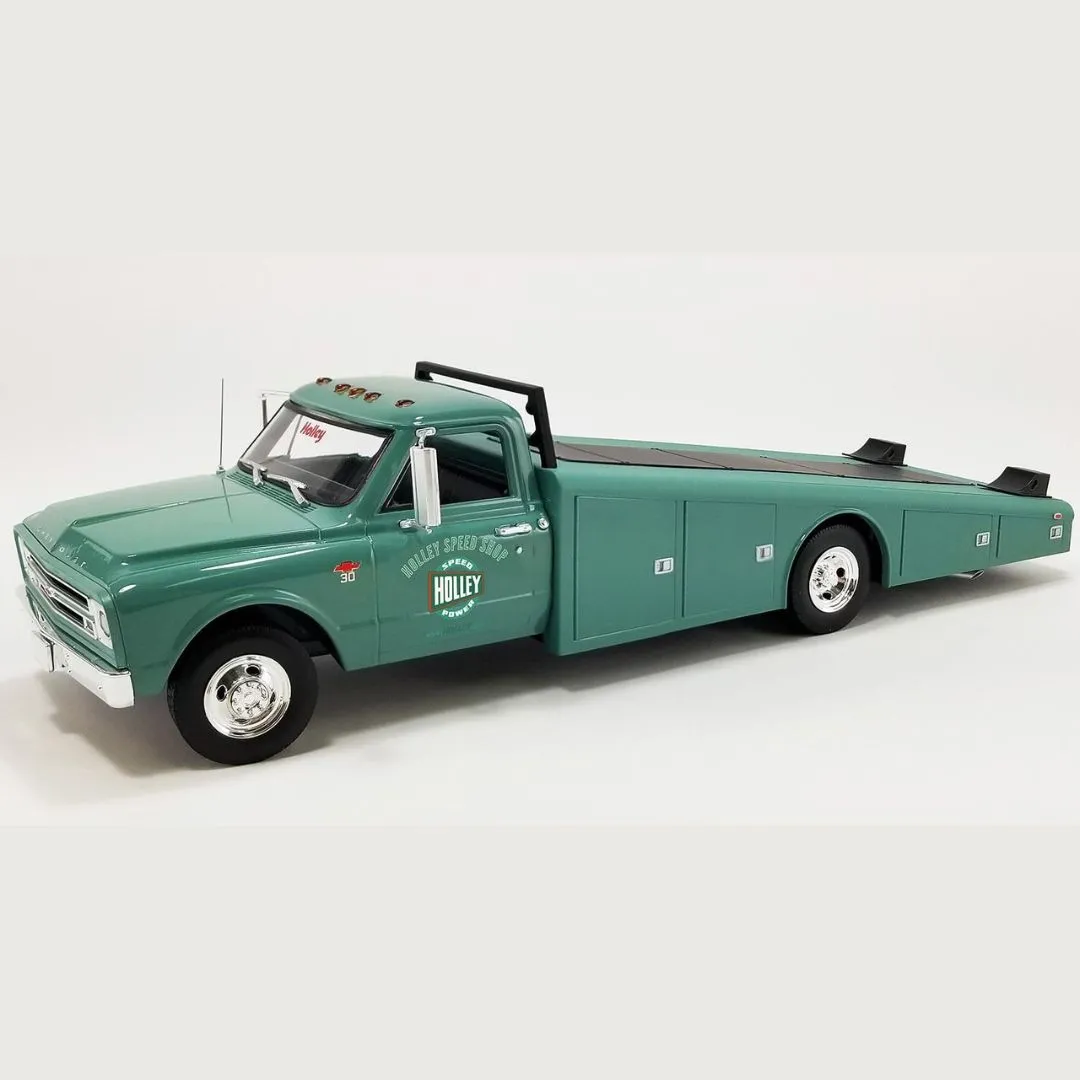
Diecast cars are miniature scale models of vehicles, meticulously crafted from metal using a die-casting process. These models are not just toys; they are highly detailed representations of real-life cars, trucks, and other automobiles, designed to capture the essence of the originals. The die-casting process involves injecting molten metal, typically zinc alloys, into molds to create the intricate shapes and forms of the vehicles. This method allows for a high degree of precision, resulting in models that accurately reflect the design and features of the full-sized cars. Diecast cars have become a popular hobby for collectors of all ages, and they are appreciated for their craftsmanship, historical significance, and investment potential. These detailed replicas offer a tangible connection to automotive history, allowing enthusiasts to admire iconic vehicles and relive the nostalgia associated with them. Whether you’re a seasoned collector or simply curious about the world of model cars, understanding what diecast cars are is the first step to appreciating their unique appeal.
History of Diecast Cars
The history of diecast cars is a fascinating journey that mirrors the evolution of manufacturing and the growing interest in model collecting. The earliest diecast models emerged in the early 20th century, initially as simple toys before evolving into the highly detailed replicas we know today. These early models were primarily made of lead or tin, representing a basic form of miniature vehicles. Over time, advancements in metallurgy and manufacturing processes led to the use of zinc alloys, which allowed for more intricate designs and improved durability. The introduction of these materials, along with advanced die-casting techniques, marked a significant shift in the quality and realism of diecast cars, paving the way for the sophisticated models of the modern era. The increasing popularity of diecast cars paralleled the growth of the automotive industry, as toy manufacturers sought to capitalize on the public’s fascination with automobiles, thus the evolution of diecast cars reflects not only technological progress but also the enduring appeal of the automotive world.
Early Days

In the early days of diecast cars, the models were often simple and crude, with basic designs and limited detailing. Materials like lead and tin were commonly used, making the models relatively heavy and prone to wear and tear. These early models were primarily produced as inexpensive toys for children, with a focus on durability rather than accuracy. The initial designs often featured simplified versions of popular vehicles, lacking the intricate features that characterize modern diecast cars. Despite their simplicity, these early models hold historical value, representing a starting point in the evolution of diecast manufacturing. They demonstrate the ingenuity of early toy makers in creating miniature versions of the cars that captured the imagination of the time. The early days of diecast cars laid the foundation for the intricate and highly detailed models that enthusiasts collect today.
Evolution of Manufacturing
The evolution of manufacturing techniques has profoundly impacted the quality and complexity of diecast cars. The shift from rudimentary materials to zinc alloys marked a significant leap forward, allowing for more detailed and durable models. Die-casting technology has improved immensely, enabling manufacturers to create intricate designs with high precision. Modern techniques include advanced mold designs, sophisticated paint applications, and the use of plastic components for enhanced detailing. These advancements have allowed manufacturers to produce models that are virtually indistinguishable from their full-sized counterparts, both in appearance and feel. The evolution has been driven by the increasing demand for realism from collectors and a desire to create models that accurately reflect the original vehicles. As technology continues to advance, the manufacturing of diecast cars will likely continue to evolve, pushing the boundaries of detail and realism.
Key Features of Diecast Cars
Diecast cars are celebrated for their remarkable key features, contributing to their appeal and value. These features include realistic scales, high-quality materials, and intricate designs that replicate the details of the original vehicles. The attention to detail is what distinguishes diecast cars, from the precisely molded bodies to the carefully applied paintwork and realistic interiors. Collectors appreciate the accuracy and craftsmanship that go into creating these miniature masterpieces. The key features of diecast cars are not only aesthetically pleasing but also add to the overall value and desirability of the models. These features help capture the essence of the original vehicles and provide collectors with an authentic and engaging experience. The quality of these features is often a major factor in determining the collectability and price of diecast cars.
Scale and Dimensions

Scale is a fundamental aspect of diecast cars, defining the proportional relationship between the model and the real vehicle. Common scales include 1 18, 1 24, and 1 43, each offering a different level of detail and size. The scale affects the overall dimensions of the model and influences the level of detail that can be incorporated. Larger scale models, such as 1 18, allow for more intricate detailing and features, making them highly sought after by collectors. Smaller scales, such as 1 43, offer a greater variety of vehicles and can be easier to display and store. The choice of scale often depends on personal preference, available space, and the desired level of detail. The accuracy of the scale is crucial, as it determines how well the model represents the original vehicle. Accurate scaling ensures that all features, from the body shape to the interior details, are correctly proportioned, enhancing the model’s realism and value.
Materials Used
The materials used in diecast cars play a critical role in their quality, durability, and appearance. Zinc alloys are the most common material for the bodies, known for their strength and ability to capture intricate details. Other materials, such as plastic, rubber, and sometimes even leather, are used for various components, including tires, interiors, and detailing. The choice of materials affects the model’s weight, texture, and overall aesthetic. The combination of different materials enhances the realism of diecast cars, allowing manufacturers to replicate the textures and finishes of the original vehicles. The use of high-quality materials is crucial for the longevity and value of the models. The choice of materials also influences the model’s ability to withstand wear and tear. The careful selection and integration of these materials reflect the craftsmanship and attention to detail that characterize the best diecast cars.
Design and Detailing
Design and detailing are central to the appeal of diecast cars, creating miniature replicas that capture the essence of the original vehicles. The design process starts with detailed research, including blueprints, photographs, and specifications of the real car. Skilled designers and engineers then use this information to create molds and components that accurately reflect the vehicle’s shape, features, and proportions. Detailing involves the addition of intricate elements such as working doors, opening hoods, detailed interiors, and realistic paintwork. The level of detail varies depending on the scale and price of the model, but the best diecast cars exhibit an exceptional degree of accuracy. This meticulous attention to detail enhances the realism and value of diecast cars, making them highly sought after by collectors. The design and detailing process is a testament to the craftsmanship involved in creating these miniature masterpieces.
5 Aspects of Diecast Cars
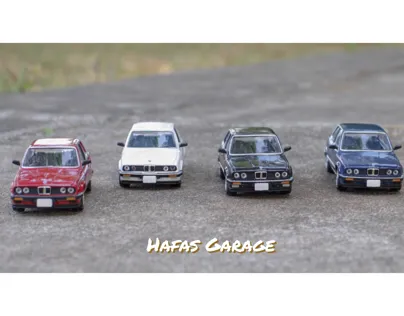
Diecast cars are multifaceted objects, offering appeal through five key aspects. These models serve as collectible items, investments, educational tools, decorative objects, and sources of historical information. Their value extends beyond simple toys, appealing to collectors, automotive enthusiasts, and anyone who appreciates fine craftsmanship. They represent a blend of artistry, engineering, and history. These five aspects create the enduring appeal of diecast cars, attracting diverse audiences and securing their place in the worlds of collecting and automotive appreciation.
Collecting as a Hobby
Collecting diecast cars is a popular hobby enjoyed by people of all ages around the world. The hobby involves acquiring, organizing, and displaying these miniature models, often focusing on specific makes, models, or time periods. Collectors may specialize in particular scales, such as 1 18 or 1 43, or concentrate on certain types of vehicles, such as classic cars, racing cars, or trucks. Building a collection can be a rewarding and engaging pastime, offering a sense of accomplishment and connection to the automotive world. Collectors often seek out rare or limited-edition models, driving up their value and adding to the thrill of the hunt. The collecting community is a vibrant network of enthusiasts who share a passion for diecast cars. Collectors trade information, offer advice, and showcase their collections at events and online forums. Collecting diecast cars combines personal enjoyment with the potential for investment, making it a fulfilling and exciting hobby.
Investment Potential
Diecast cars can serve as investments, offering the potential for appreciation in value over time. Certain models, particularly rare, limited-edition, or vintage cars, can increase significantly in price, making them attractive assets for collectors. The investment potential of diecast cars depends on factors such as rarity, condition, historical significance, and market demand. Models from well-known manufacturers, those that represent iconic vehicles, or those in pristine condition are likely to hold their value and appreciate over time. The investment potential of diecast cars adds another layer of appeal to the hobby, as collectors can enjoy their passion while potentially increasing their wealth. Assessing the investment value involves researching market trends, understanding the factors that drive demand, and making informed purchasing decisions. While not all diecast cars are investment-grade assets, the potential for appreciation makes them an interesting option for savvy collectors.
Educational Value

Diecast cars have educational value, offering insights into automotive history, design, and engineering. They provide a tangible way to explore the evolution of cars and the technology behind them. Collectors can learn about the different makes and models of vehicles, the design innovations, and the cultural significance of automobiles. Diecast models can be used to teach children about automotive engineering, different car components, and how vehicles work. Diecast cars can be used as educational tools to enhance understanding. The detailed replicas provide a visual representation of real-life vehicles, facilitating learning and sparking curiosity. The historical context of diecast cars gives insights into technological advancements, changing tastes, and cultural trends related to cars. Diecast cars are an engaging way to learn about automotive history, design, and engineering.
Displaying and Caring for Diecast Cars
Proper display and care are crucial to preserving the beauty and value of diecast cars. Proper storage and presentation of diecast cars not only enhances their aesthetic appeal but also protects them from damage. Whether you’re a seasoned collector or a new enthusiast, understanding the best practices for displaying and caring for your models is essential. This section will provide guidance on how to maintain your diecast car collection, ensuring it remains a source of pride and enjoyment for years to come.
Cleaning and Maintenance
Regular cleaning and maintenance are essential to keeping diecast cars in pristine condition. Dust and debris can accumulate over time, damaging the paintwork and detracting from the model’s appearance. To clean your diecast cars, use a soft cloth or a microfiber duster to gently remove dust. Avoid using harsh chemicals or abrasive cleaners, as they can damage the paint and details. If a deeper cleaning is needed, you can use a slightly damp cloth with a mild soap solution, but ensure the model is thoroughly dried afterward. Handle diecast cars with clean hands to prevent fingerprints and oils from damaging the surface. Regular maintenance will preserve the condition of your collection.
Storage Tips

Proper storage is essential to protect diecast cars from damage and preserve their value. Store your models in a cool, dry place, away from direct sunlight and extreme temperatures. Sunlight can fade the paint, while extreme temperatures can warp or damage the models. Consider using display cases or shelves to protect your collection from dust and accidental damage. Individual storage boxes or protective sleeves can prevent scratches and other forms of damage. When storing, avoid stacking models directly on top of each other, as this can cause scratches. Proper storage is a good way to maintain the integrity of your collection, ensure their longevity, and preserve their value for years to come. Careful storage helps maintain the quality and increases the lifespan of diecast car models.
Where to Buy Diecast Cars
Finding the right place to buy diecast cars is important for building or starting your collection. There are several options for acquiring these miniature vehicles, each offering different benefits and considerations. Whether you’re looking for specific models, rare finds, or the best deals, understanding where to buy diecast cars is the first step toward building a collection. From specialty stores and online marketplaces to local shows and auctions, there’s a range of places to explore. Careful research and an understanding of the market will help you find high-quality models and build a collection you’ll be proud of. This section provides insights to help you navigate the buying process and discover the perfect additions to your collection.
In conclusion, diecast cars are more than just toys; they are miniature works of art, historical artifacts, and valuable collectibles. The combination of their detailed craftsmanship, historical significance, and investment potential makes them a fascinating hobby for enthusiasts of all ages. By understanding the key features, the history, and the various aspects of diecast cars, you can appreciate the beauty and value of these miniature models. Whether you’re a seasoned collector or a newcomer to the world of diecast cars, there is always something new to discover and enjoy. The world of diecast cars is rich with history, craftsmanship, and enduring appeal.