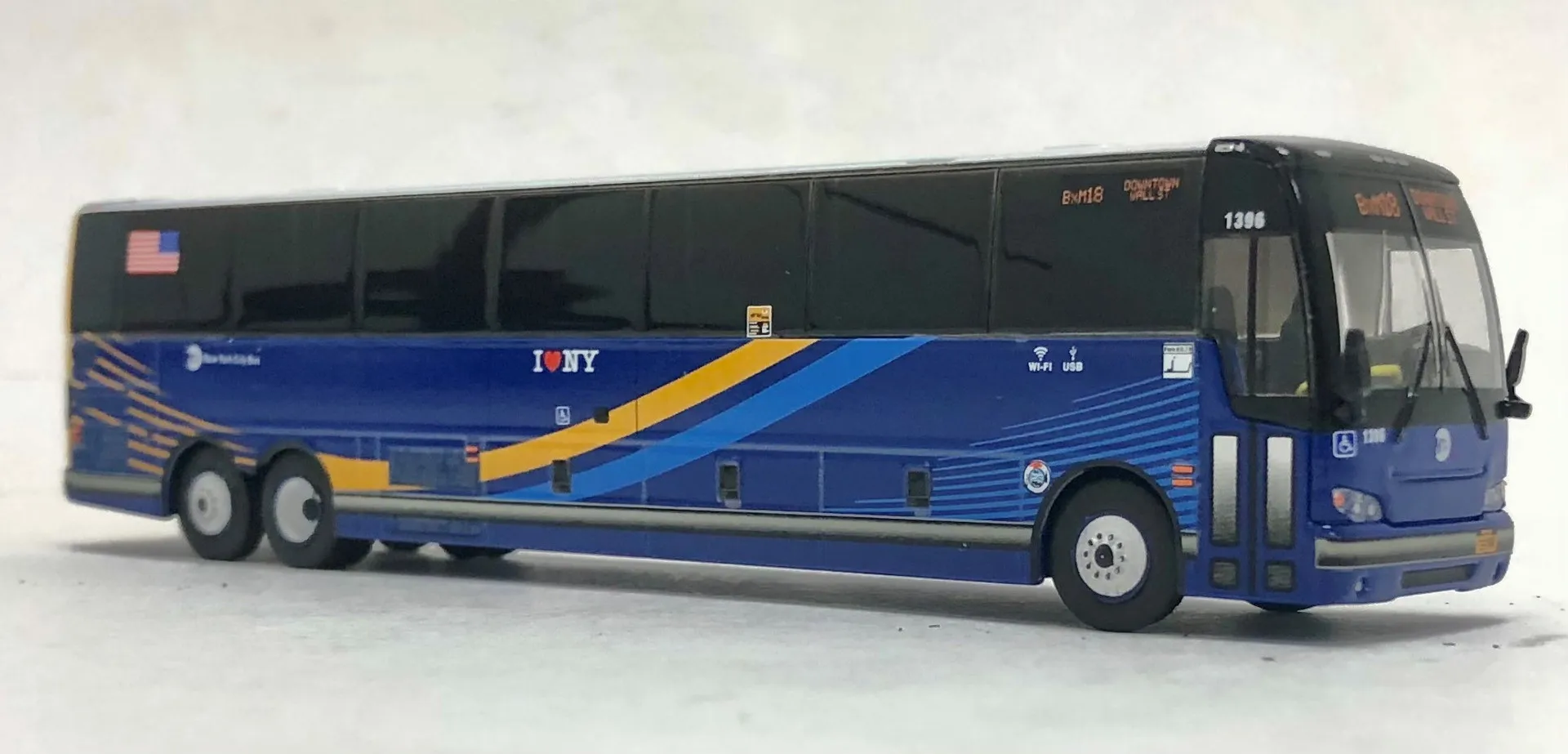
What are Diecast Buses
Diecast buses are miniature replicas of real-life buses, meticulously crafted from metal alloys, typically zinc. These models are a popular hobby for collectors of all ages. What sets them apart is their superior detailing and the level of realism they achieve. Diecast buses go beyond mere toys; they are highly detailed representations of iconic vehicles, capturing the essence of their full-sized counterparts. They offer a tangible connection to history and transportation design, making them cherished items for enthusiasts. The quality of diecast buses varies, but the best models are known for their durability and intricate features, often including functional parts such as opening doors and realistic interiors. Their appeal spans generations and interests, making them a timeless collectible.
Detailed Craftsmanship
The craftsmanship of diecast buses is a key feature that attracts collectors. The manufacturing process involves precision die-casting, where molten metal is injected into molds to create the bus’s body. After cooling, the models are often hand-painted and assembled. The best models exhibit incredible attention to detail, with accurate reproductions of the bus’s exterior and interior features. This includes the body lines, windows, lights, and even the smallest details such as mirrors and wipers. Many models feature detailed interiors with seats, dashboards, and sometimes even tiny passengers. This level of detail requires skilled artisans and advanced manufacturing techniques. It results in a miniature bus that not only looks authentic but also provides a tactile and visual experience for collectors. This commitment to quality is what elevates diecast buses from simple toys to valuable collectibles.
Authentic Detailing

Authentic detailing is a hallmark of high-quality diecast buses. The aim is to replicate the real-life bus as closely as possible. This level of authenticity is achieved through several processes. First, the paint colors must be exact matches to the original bus manufacturers’ specifications. The markings, logos, and advertisements are meticulously applied, using decals or tampo printing to create sharp, clear images. Furthermore, features such as the wheels, tires, and suspension are often reproduced with remarkable accuracy. Some models even have working features, such as steerable wheels and opening doors. The detailing goes beyond the visible exterior; many models feature highly detailed interiors, with seats, dashboards, and even tiny drivers and passengers. This attention to detail is essential for collectors who value realism and accuracy. They seek models that truly capture the essence of the original bus.
Durability and Material
The durability of diecast buses is another significant feature that contributes to their appeal. The primary material used in diecast models is a metal alloy, typically zinc. This material offers excellent strength and durability, allowing the models to withstand handling and display over extended periods. The die-casting process itself ensures a robust construction, where the molten metal solidifies within the mold to create a strong, rigid structure. Furthermore, the paint and other finishes applied to the models are usually of high quality, resistant to chipping and fading. This ensures that the models retain their appearance and value over time. Collectors often appreciate the durability of diecast buses because it allows them to enjoy their collections without worrying about damage. The robust construction also means that these models can be passed down through generations, becoming cherished family heirlooms.
Scale and Size Variety
Diecast buses come in a variety of scales and sizes, catering to different collector preferences. The most popular scales include 1:43, 1:76, and 1:87, each offering a different level of detail and size. The scale determines the size of the model relative to the real-life bus. For example, a 1:43 scale model is 1/43 the size of the original bus. Larger scales, such as 1:43, often allow for greater detailing, making them highly desirable for collectors who appreciate intricate features. Smaller scales, such as 1:87, are ideal for collectors who want to display a large number of models without taking up too much space. The scale of a diecast bus can also influence its price, with larger and more detailed models often costing more. The variety of scales allows collectors to curate their collections to their specific preferences and available display space.
Historical Significance

Iconic Bus Models
Diecast bus collections often feature models of iconic buses from various historical periods. These models represent significant milestones in transportation history and are highly sought after by collectors. Iconic buses such as the AEC Routemaster, the GM New Look, and the Volkswagen T1 Bus are frequently replicated in diecast form. These buses are not only historically important, but they also represent different eras of design and engineering. Collectors are often drawn to these models because of their unique features and historical relevance. The AEC Routemaster, for example, is a symbol of London’s transport history, while the GM New Look is a classic American bus design. Owning these models allows collectors to appreciate the evolution of bus design and the cultural significance of these vehicles.
Limited Edition and Collectibility
Limited edition releases are a significant aspect of the diecast bus hobby, contributing to their collectibility. Many manufacturers produce models in limited quantities, which increases their rarity and value over time. These limited editions often feature unique paint schemes, specific historical details, or commemorative markings. Limited edition models are highly sought after by collectors. The limited availability drives up demand, making them a valuable investment. The value of a limited-edition diecast bus can increase significantly, especially if it is well-preserved and in its original packaging. The collectibility of diecast buses is also influenced by the manufacturer, the model’s historical significance, and the overall condition of the model. Collectors often track down and compete for these rare models to expand their collections.
Display and Presentation

Display Cases and Accessories
Displaying diecast buses is an important aspect of the hobby. Many collectors use display cases to showcase their models and protect them from dust and damage. Display cases come in various sizes and styles, from simple shelves to elaborate cabinets with built-in lighting. These cases are designed to enhance the visual appeal of the collection and allow collectors to admire their models easily. Besides display cases, accessories such as dioramas and miniature figures are often used to create realistic scenes. Dioramas can depict bus stops, city streets, or historical settings, adding context to the collection. Miniature figures, such as drivers and passengers, further enhance the realism of the display. Proper display not only protects the models but also allows collectors to create personalized and visually appealing presentations.
Protecting Your Collection
Protecting your diecast bus collection is essential for preserving its value and condition. Dust is a common enemy of diecast models, so using display cases is highly recommended. Avoid direct sunlight, as it can fade the paint and damage the materials. Handle the models with care, and avoid touching the paint with your bare hands to prevent scratches. Store the models in a cool, dry place, away from extreme temperatures and humidity. Regular cleaning is also necessary to remove dust and grime. Use a soft brush or cloth to gently clean the models. Avoid using harsh chemicals or solvents, as they can damage the paint and finishes. By following these tips, collectors can ensure that their diecast buses remain in excellent condition for years to come, maintaining their value and enjoyment.
Investment Value

Factors Influencing Value
The investment value of diecast buses is influenced by several factors. Rarity is a significant determinant, with limited-edition models commanding higher prices. The condition of the model also plays a crucial role; models in pristine condition, with their original packaging, are highly valued. Historical significance, such as the model’s representation of a rare or iconic bus, can also increase its value. The manufacturer’s reputation and the level of detail in the model contribute to its desirability. Market demand and collector interest in specific models or eras influence the prices. Keeping an eye on market trends and the prices of similar models helps collectors understand the potential value of their collections. Collectors should research the models they own and understand the factors that drive their value. Proper storage and care are essential for preserving the investment value of diecast buses.
Market Trends and Sales
Market trends and sales of diecast buses fluctuate based on collector interest and availability. Online auction sites, specialty shops, and collector fairs are the primary venues for buying and selling these models. The prices of diecast buses can vary widely, depending on the model’s rarity, condition, and demand. Knowing current market trends and price ranges is essential for collectors. Collectors often follow market news and attend collector events to stay informed about new releases and price fluctuations. Some collectors specialize in specific bus models or manufacturers. This specialized knowledge is essential for making informed decisions. Researching past sales and comparing prices of similar models helps collectors assess the market value of their collections. The diecast bus market continues to evolve, and understanding these trends helps collectors make wise investments and enhance their collecting experience.
Where to Buy Diecast Buses

Online Retailers
Online retailers offer a wide selection of diecast buses, providing collectors with convenient access to various models. Popular online platforms include eBay, Amazon, and specialized diecast model stores. These platforms offer a vast range of options. They include new releases, vintage models, and limited editions. Online retailers often provide detailed product descriptions, images, and customer reviews. They assist collectors in making informed purchasing decisions. Pricing and availability can vary between different retailers. Comparing prices is a good practice. Collectors can often find competitive prices and a wider selection online. The convenience of online shopping also allows collectors to shop from anywhere in the world. However, collectors should be aware of the risks of buying from unknown sellers and ensure that the retailers offer secure payment methods and return policies.
Specialty Shops and Collectors Fairs
Specialty shops and collectors’ fairs provide unique opportunities for collectors to find diecast buses. Specialty shops often carry a curated selection of models. The selection is based on the shop’s expertise and collector preferences. Collectors can benefit from the knowledge and guidance of the shop owners. Collectors’ fairs are a great place to meet other collectors and to buy, sell, and trade models. These events often feature a wide variety of models from different manufacturers and eras. They also give collectors the chance to see models in person. Attending collectors’ fairs is an opportunity to find rare and hard-to-find models and to learn more about the hobby. Collectors can also negotiate prices and build relationships with other enthusiasts. Supporting specialty shops and attending collector fairs contributes to the vitality of the diecast bus community.
Tips for Beginners

Starting Your Collection
Starting a diecast bus collection can be an enjoyable experience. Start by researching the various manufacturers and scales. Determine the types of buses that interest you. It could be historical models, specific bus lines, or buses from a particular region. Set a budget and stick to it. Decide where you will display your collection. Start with a few models that you particularly like. It’s better to focus on quality rather than quantity in the beginning. Join online forums or collector groups to connect with other enthusiasts. Ask questions and learn from experienced collectors. Be patient and enjoy the process of building your collection. Consider focusing on a specific theme, such as a particular bus company or era. This can help narrow your focus and make your collection more cohesive. Regular research and learning about the models you collect will enhance your enjoyment and appreciation.
Caring for Your Models
Caring for your diecast bus models is crucial for maintaining their condition. Handle the models with clean hands, and avoid touching them unnecessarily. Display them in a dust-free environment. Consider using display cases to protect them. Avoid direct sunlight and extreme temperatures, which can damage the paint and materials. Clean the models regularly with a soft cloth or brush, and avoid using harsh chemicals. Store the models in a cool, dry place when not on display. Keep the original packaging, as it can increase the value of your collection. Inspect the models regularly for any signs of damage. Taking care of your models ensures they will be enjoyed for many years. It also preserves their value as collectibles. Proper care adds to the longevity and enjoyment of your diecast bus collection.