
Understanding Diecast Airplanes
Diecast airplanes are miniature replicas of real-world aircraft, meticulously crafted to capture the details and essence of the originals. They have become increasingly popular among collectors and aviation enthusiasts. These models are not just toys; they’re detailed representations of aviation history, technological advancements, and artistic craftsmanship. The appeal of diecast airplanes lies in their ability to connect collectors with their passion for flight, providing a tangible link to the iconic aircraft that have shaped the history of aviation. Furthermore, the variety available, from classic warbirds to modern commercial jets, ensures there is a model to suit every collector’s interest. Acquiring a diecast airplane can be the beginning of an exciting and rewarding journey into the world of aviation collecting.
What are Diecast Airplanes
Diecast airplanes are primarily made using a process called die-casting, where molten metal is injected under high pressure into a mold. This technique allows for intricate designs and high levels of detail. These models are typically made from zinc alloy, which allows for great detail and durability. A distinguishing feature is their weight and solid feel, differentiating them from plastic models. The use of die-casting allows for the creation of highly detailed replicas, incorporating features such as panel lines, rivets, and even the smallest of markings. This attention to detail is a significant aspect of the appeal for collectors. They come in various scales, the most popular being 1:72, 1:48, and 1:200, each offering a different balance of detail and size. Collecting diecast airplanes is a great way to celebrate aviation and its impact on the world.
Materials Used in Diecast Airplanes

The materials used in diecast airplanes are essential to their quality and collectibility. The primary material is zinc alloy, chosen for its ability to capture fine details and its durability. This alloy provides the weight and solid feel that collectors appreciate. Other materials are also used in the construction of these models. These include high-quality plastics for parts like propellers, antennas, and landing gear, allowing for detailed and functional features. Paint and decals are also crucial components, with manufacturers using a variety of colors and application techniques to replicate the real aircraft’s appearance accurately. Careful selection of these materials ensures the model’s longevity and the preservation of its aesthetic appeal. Using these materials together results in a high-quality product that enthusiasts can appreciate.
Benefits of Owning Diecast Airplanes
Owning diecast airplanes offers a variety of benefits, extending beyond mere aesthetic appreciation. For many collectors, these models serve as a way to connect with their passion for aviation. Each model tells a story, representing a specific aircraft, era, or achievement in aviation history. They are also a source of educational value. The detailed replicas allow collectors to learn about aircraft designs, technical specifications, and historical significance. Diecast airplanes can be a good investment. Depending on rarity, historical significance, and condition, these models can appreciate in value over time. Many collectors also find diecast airplanes to be a source of relaxation and stress relief. The process of acquiring, displaying, and appreciating these models can be a very satisfying experience. Ultimately, owning diecast airplanes provides a tangible link to aviation history.
Top 5 Buying Tips for Diecast Airplanes
Tip 1 Research the Model

Before making a purchase, researching the model is critical. Understanding the aircraft’s history, specifications, and significance will enhance your appreciation of the model. Determine the manufacturer, as different companies have varying levels of detail and quality. Check reviews and compare the model to others in the same scale and price range. Researching the specific aircraft’s historical background is also beneficial. Knowing the aircraft’s role, operational history, and any special features will make your collecting experience more rewarding. This thorough preparation will enable you to make informed decisions and avoid impulsive purchases. Collecting is more than just owning; it’s about being well-informed on the details of your collectibles and appreciating the history they embody. The image of a detailed model being researched on a laptop is important.
Tip 2 Assess the Scale and Detail
Scale and detail are essential factors to consider when selecting diecast airplanes. The scale determines the model’s size, with common scales like 1:72, 1:48, and 1:200 being popular. Larger scales, such as 1:48, offer more intricate details but take up more space. Smaller scales, such as 1:200, are easier to display in larger quantities. Evaluate the model’s level of detail, looking for features like accurate panel lines, rivets, and markings. A high level of detail increases the model’s realism and desirability. Also, assess the quality of the paint and decals, ensuring they are applied precisely and match the original aircraft. The combination of scale and detail determines the overall aesthetic and value of the diecast airplane. Balancing scale and detail is key to building a collection that satisfies your preferences.
Tip 3 Check the Model’s Condition
The condition of the diecast airplane greatly impacts its value and enjoyment. Inspect the model for any damage, such as scratches, dents, or missing parts. Examine the paint for any imperfections, such as chipping or fading. Pay attention to the functionality of movable parts, like landing gear or propellers, ensuring they operate smoothly. Consider the packaging, as original boxes and packaging can enhance the model’s value. A model in mint condition will be more valuable and visually appealing. If you’re buying online, carefully review the seller’s description and any provided photos to assess the condition accurately. For older models, a slight wear can be expected, but significant damage should be avoided. Before investing in a model, do a careful examination of its condition.
Tip 4 Compare Prices and Sellers

Comparing prices and sellers is critical to ensure you get a fair deal. Research the model’s average selling price across different platforms, such as online marketplaces and specialized retailers. Consider the seller’s reputation and reviews. Look for sellers with a proven track record of selling high-quality models and providing excellent customer service. Check the shipping costs, as these can significantly impact the overall price. Be wary of prices that seem too good to be true, as they may indicate a counterfeit or damaged model. Always compare multiple offers before making a purchase, and do not hesitate to ask the seller for additional information or photos. Taking the time to research and compare prices will protect you from overpaying and guarantee a pleasant experience.
Tip 5 Consider Future Value
Consider the potential future value of the model when making your purchase. Some diecast airplanes appreciate in value over time, making them excellent investments. Factors influencing future value include rarity, historical significance, and the model’s condition. Limited edition models and those with unique markings or paint schemes are often more valuable. Research the model’s historical background to assess its significance and potential collectibility. Keep records of your purchases, including the price paid and the model’s condition. Store your models properly to maintain their condition and value. Buying models that are in demand or expected to increase in popularity can be a good strategy. Collecting diecast airplanes can be more than a hobby, but a smart investment that can pay off handsomely over time. A well-maintained airplane will remain in pristine condition.
Factors Influencing the Value of Diecast Airplanes
Several factors influence the value of diecast airplanes, including the manufacturer, scale, rarity, historical significance, and condition. Manufacturers known for high quality and detailed craftsmanship, such as Hobby Master, are often more sought after. Limited edition models and those that are no longer in production tend to increase in value over time. Models representing historically significant aircraft or those with unique markings or paint schemes also command higher prices. The condition of the model is paramount; mint-condition models with original packaging are the most valuable. Demand and collector interest in a particular aircraft or era can also affect value. Stay informed on market trends and collector preferences to identify valuable models. Understanding these factors will improve your decision-making as a collector, enabling you to build a valuable collection.
Maintaining and Displaying Your Collection
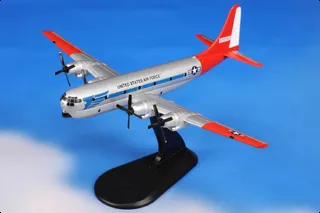
Proper Storage Techniques
Proper storage techniques are essential to preserving the condition and value of your diecast airplane collection. Store models in a cool, dry place away from direct sunlight, as excessive heat and light can damage paint and decals. Avoid storing models in areas with significant temperature fluctuations or high humidity. Using display cases or shelves can protect models from dust and accidental damage. The use of acid-free tissue paper or foam padding can protect delicate parts during storage. If you have original packaging, consider storing the models in their original boxes. Rotating the models on display regularly can prevent them from fading from light exposure. A well-maintained storage environment will ensure your collection remains in excellent condition, safeguarding its value for years to come. The picture of airplanes stored in a display case is very important.
Displaying Your Models
Displaying your diecast airplanes allows you to showcase your collection while adding to the aesthetic appeal of your space. Using display cases or glass shelves is a great way to protect models from dust and damage. Consider the lighting; indirect lighting can enhance the models’ details without causing damage. Arrange the models by scale, aircraft type, or historical era to create a visually organized display. Rotate the display regularly to highlight different models. Use background elements like maps, photos, or miniature accessories to enhance the theme. The display should be both attractive and practical, offering easy access for viewing and cleaning. Proper display enhances the enjoyment of your collection and makes a great conversation piece. This method allows the hobby to grow as well.
Cleaning and Maintenance
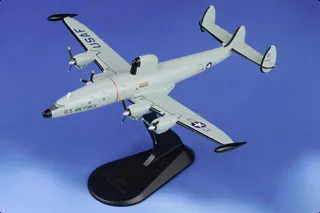
Regular cleaning and maintenance are crucial for keeping your diecast airplane collection in pristine condition. Dust your models regularly with a soft brush or microfiber cloth to prevent dust accumulation. For stubborn dirt, use a slightly damp cloth with mild soap, but avoid getting the models overly wet. Avoid harsh chemicals or abrasive cleaners that can damage the paint or decals. Inspect your models periodically for any signs of damage or wear, and address any issues promptly. Carefully handle delicate parts, such as antennas and propellers, to avoid breakage. If you are moving or storing your models, repack them carefully in their original packaging or protective wrapping. Taking the time to clean and maintain your collection will extend the life of your models and preserve their value. Proper care ensures the models remain beautiful for a long time.