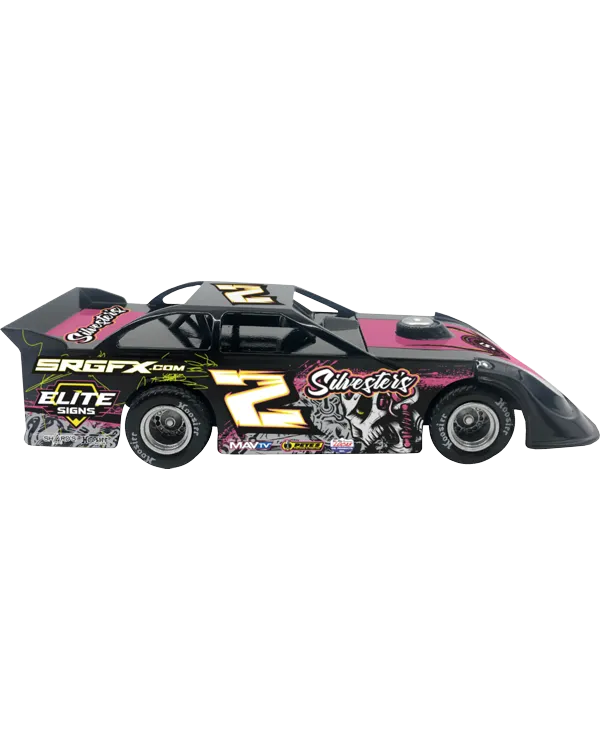
What are Blank Diecast Cars?
Blank diecast cars are unpainted, unmodified miniature vehicles, typically made from die-cast metal. They serve as a perfect canvas for enthusiasts and hobbyists to unleash their creativity. These cars come in various scales, from the popular 1:64 size to larger ones like 1:18, providing a wide range of options for customization. The beauty of blank diecast cars lies in their potential. Without any pre-existing paint or details, you can transform them into anything you envision, from replicating real-life vehicles to creating unique, fantasy designs. This offers a great opportunity for both beginners and experienced modelers to enjoy creating unique models, which makes them ideal for beginners to start their custom car journey, where you can learn and try different things without the pressure of ruining a pre-painted model.
Why Choose Blank Diecast Cars?
Choosing blank diecast cars offers a unique and fulfilling experience for several reasons. Firstly, it provides complete creative freedom. You aren’t constrained by existing paint jobs or details, allowing you to bring your vision to life without limitations. Secondly, it’s a cost-effective way to enter the hobby. Compared to buying pre-customized models or professionally painted ones, blank diecast cars are often more affordable, making them accessible to a broader audience. Thirdly, customizing these cars is a rewarding hobby that improves your skills in model making, painting, and detailing. It’s a relaxing and enjoyable activity where you can see your efforts translate into tangible results. Finally, it fosters a sense of community and connection. The hobby involves sharing creations, and learning from other enthusiasts, which can create a sense of belonging.
Benefits of Customizing Blank Diecast Cars

The benefits of customizing blank diecast cars extend beyond the joy of creating something unique. It’s a hobby that nurtures several skills and provides significant personal satisfaction. Customization is a great way to improve your hand-eye coordination, especially when dealing with small parts and intricate details. The process of painting, detailing, and applying decals helps to refine your fine motor skills and patience. Moreover, it stimulates your creative thinking and artistic expression, encouraging you to experiment with colors, designs, and techniques. Customizing provides a fantastic outlet for stress relief and relaxation. The repetitive nature of some tasks, such as sanding or painting, can be incredibly soothing and meditative. Finally, it offers a sense of accomplishment. Seeing your ideas come to life is immensely satisfying and boosts your self-esteem.
Choosing the Right Blank Diecast Cars
Selecting the right blank diecast cars is essential for a successful customization project. Consider the scale, as it affects the level of detail you can achieve and the complexity of the customization process. 1:64 scale is popular for its affordability and ease of handling, while larger scales like 1:18 offer more room for intricate detailing. Look into the material; most are made of die-cast metal, but some may have plastic parts. Ensure the model is well-made, with clean lines and smooth surfaces, making it easier to prepare for painting. Research the availability of replacement parts if you plan extensive modifications. Also, think about the style of the car you wish to customize, whether it’s a classic car, a modern sports car, or a fantasy vehicle. This will determine the kinds of modifications and details you can add. A well-chosen blank diecast car provides the best foundation for your creative vision.
Scale and Material
Scale refers to the ratio of the model car’s size to the actual vehicle, with the most common scales being 1:64, 1:43, and 1:18. Scale affects detail and work, where 1:18 is easier to detail but requires more space. Material is also important, where most blank diecast cars are made of die-cast metal, with plastic parts. Die-cast metal provides a durable surface for painting and customization, while plastic parts need careful prepping for paint to adhere well. Consider the quality of the die-cast metal and the overall construction of the model. A well-made blank car with a smooth surface and solid build will offer a better base for your customizing efforts, resulting in a more satisfying end product.
Finding Reliable Suppliers

Finding reliable suppliers is crucial for ensuring you have access to a steady supply of quality blank diecast cars. Online marketplaces such as eBay and Amazon offer a wide variety of options, often with customer reviews to guide your choices. Specialized hobby shops, both online and local, are also great resources, as they usually stock a curated selection of blank models and offer expert advice. When choosing a supplier, consider their reputation, pricing, shipping options, and return policies. Reading reviews from other customers can provide valuable insights into their service quality and product reliability. Also, try to compare prices from multiple suppliers to ensure you’re getting the best value. Building a relationship with a trusted supplier can provide a consistent source of models, tools, and materials for your projects.
Essential Tools and Materials for Customization
Must-Have Tools for Painting and Detailing
Essential tools for customizing blank diecast cars include a range of items to support various aspects of the process. For painting, you’ll need a quality airbrush or spray cans for base coats, and fine-tipped brushes for detail work. Sanding sticks and fine-grit sandpaper are essential for preparing surfaces, and removing imperfections. Hobby knives, such as X-ACTO knives, are great for removing parts, and cutting decals. Tweezers and magnifying glasses assist with intricate detailing and applying small parts. Additionally, a cutting mat is vital for protecting your work surface. When considering tools, consider both the quality and your skill level; higher-quality tools often produce better results.
Materials for Customization

The right materials will ensure professional-looking results. Acrylic paints are a popular choice due to their easy application and quick drying times. Enamel paints offer durability but require more time to cure and may need more ventilation. High-quality primers are essential for preparing surfaces and providing a base for paint adhesion. Various types of thinners and solvents are necessary for diluting paints, cleaning tools, and correcting mistakes. Decals, both pre-made and custom-printed, add intricate details to the model. Clear coats seal the paint and provide a protective finish. Glues, such as super glue and epoxy, bond parts, and details. Choosing materials with high quality can have a great effect on the final result.
Step-by-Step Guide to Customizing Blank Diecast Cars
Preparing the Diecast Car for Customization
Preparing your blank diecast car is a critical step for a successful customization project. Begin by disassembling the model, carefully removing the wheels, windows, and any other removable parts. Then, remove any factory paint by sanding the surface gently with fine-grit sandpaper, being careful not to damage the metal. Clean the surface of the car thoroughly with warm soapy water, and let it dry completely. Next, apply a primer to the entire surface. This provides a base for the paint to adhere to and helps to fill in any imperfections. Once the primer is dry, lightly sand the surface again to ensure a smooth finish. Properly preparing the car maximizes the chances of a perfect paint job.
Painting Techniques for Diecast Cars

Painting techniques for diecast cars range from simple base coats to advanced detailed finishes. Airbrushing is a popular method for achieving smooth, even coats, while spray cans are a more accessible option for beginners. Apply thin, even coats of paint, allowing each coat to dry before applying the next. This helps prevent runs and drips. For detailing, use fine-tipped brushes and steady hands to add highlights, shadows, and other fine details. Consider using masking tape or liquid mask to protect areas you don’t want to paint. Practice your techniques on scrap pieces before painting your actual model. If you’re new, start simple, and move to more advanced techniques as you gain confidence and skill.
Detailed Finishes
Adding detailed finishes to your custom blank diecast car can significantly elevate its appearance. This involves applying decals, adding weathering effects, and creating realistic details. Decals come in a variety of forms, from pre-made graphics to custom-printed designs. Carefully apply them to the model, using setting solutions to help them conform to curved surfaces. Weathering techniques, such as dry brushing or washes, can add realism by simulating dirt, rust, and wear. Use fine brushes and diluted paints to apply these effects. Consider adding small details like emblems, badges, and lights using a combination of paint, decals, and carefully placed parts. By mastering these techniques, you can transform a basic model into a masterpiece.
Advanced Customization Techniques
Adding Decals and Graphics

Adding decals and graphics is a common technique for personalizing your diecast model and can be done with pre-made decals or custom designs. For custom decals, design your graphics using graphic software and print them on decal paper. Pre-made decals come in various sizes and designs and can be readily available in hobby shops. Start by applying a gloss coat over the base paint to provide a smooth surface for decals. Cut the decal from the sheet, submerge it in water to activate the adhesive, and apply it to the model. Use a decal setting solution to help it adhere to the surface, and eliminate any air bubbles. Once dry, apply a clear coat to seal and protect the decals.
Modifying the Interior
Modifying the interior adds another layer of detail to your blank diecast car. Start by disassembling the interior components and removing any existing details. Custom interiors can be created by adding custom seats, steering wheels, and dashboards. You can use materials like styrene plastic, or model putty. Paint the interior components with accurate colors, and add realistic textures and finishes. Use detail paint brushes for intricate details. Reassemble the interior components, and install them within the car. The right interior can transform the look of the model, and significantly enhance its realism and visual appeal.
Displaying and Protecting Your Custom Creations
Protecting Your Work

Protecting your work ensures your custom diecast cars remain in excellent condition. Once painting and detailing are complete, apply a clear coat to seal and protect the paint, and prevent chipping or fading. Consider using UV-resistant clear coats to protect your models from sun damage. Store your models in a clean, dust-free environment, away from direct sunlight and extreme temperatures. Display cases are an excellent way to showcase your creations and protect them from dust. Handle your models carefully, avoiding excessive touching of painted surfaces. If you need to handle them, wear gloves to prevent fingerprints and smudges. Regular maintenance like dusting and cleaning can help keep your models in perfect condition for years.
Sharing Your Creations
Sharing your creations with others is a great way to connect with the diecast car community and get feedback on your work. Post your models on social media platforms, such as Instagram and Facebook, to showcase your work. Join online forums and communities dedicated to model cars, and share photos and discuss your techniques with other enthusiasts. Participate in model car shows, and display your work in person. Joining a model car club is a great way to meet like-minded people and exchange ideas. Sharing your creations can improve your modeling skills. Positive feedback can motivate you to try new techniques and improve your craftsmanship.
Troubleshooting Common Issues
Dealing with Paint Imperfections

Paint imperfections such as runs, drips, and orange peel are common issues in customizing blank diecast cars, and you can fix them. Runs and drips are usually caused by applying too much paint at once. To fix this, gently sand the area with fine-grit sandpaper, and then apply another thin coat of paint. Orange peel is caused by the paint drying too quickly or improper air pressure with airbrushing. Sand the area gently until the surface is smooth, and then reapply a thin, even coat of paint. Always practice your painting techniques on a test surface before painting on your model. Ensure you’re using the correct paint thinner. If you’re airbrushing, ensure the correct air pressure. Clean your tools, and properly prepare the surface for painting to avoid these issues.
Fixing Mistakes and Adjustments
Fixing mistakes and making adjustments is a normal part of customizing blank diecast cars, where minor errors can be corrected and adjustments can be made to perfect your model. If you make a mistake while painting, allow the paint to dry and then carefully sand the area with fine-grit sandpaper before reapplying the paint. If parts don’t fit properly, use a hobby knife to carefully trim or sand them. If decals are misaligned, carefully remove them and try again or use a decal setting solution. If the final product is not what you envisioned, take it apart and start again. Learning from your mistakes and making adjustments is a key aspect of the customization process.
Resources and Communities
Online Forums and Communities
Online forums and communities are valuable resources for anyone customizing blank diecast cars. These platforms provide a space for enthusiasts to share their work, ask questions, and learn from others. Popular online forums include Scale Auto Enthusiast, and forums on sites like Reddit. Here, you can find tutorials, tips, and advice from experienced modelers. Online communities provide a supportive environment where you can receive feedback, participate in discussions, and stay up to date on the latest techniques and products. By joining online forums, you can connect with a global community of model car enthusiasts, which can motivate you to explore new techniques and refine your skills.
Tips for Success with Blank Diecast Cars
Success in customizing blank diecast cars involves planning, patience, and practice. Start with simple projects and gradually move to more complex designs. Take your time, and don’t rush the process. Thorough preparation is key. Properly preparing your model car for painting is crucial for a great finish. Invest in quality tools and materials. Using the best tools and materials will make the work easier and improve your results. Learn from your mistakes, and don’t be afraid to experiment. Join online forums and communities to seek advice and share your work. Finally, most important, have fun. Customizing diecast cars is a rewarding hobby that should be enjoyed. By following these tips, you can create stunning, custom models you can be proud of.